Roof work in Reading
Conservatory roof services in Reading
Find out what each type of conservatory roof work involves. Read a short summary of every service available to homes in Reading, from replacing glass or polycarbonate panels to fitting new guttering and plastered ceilings.
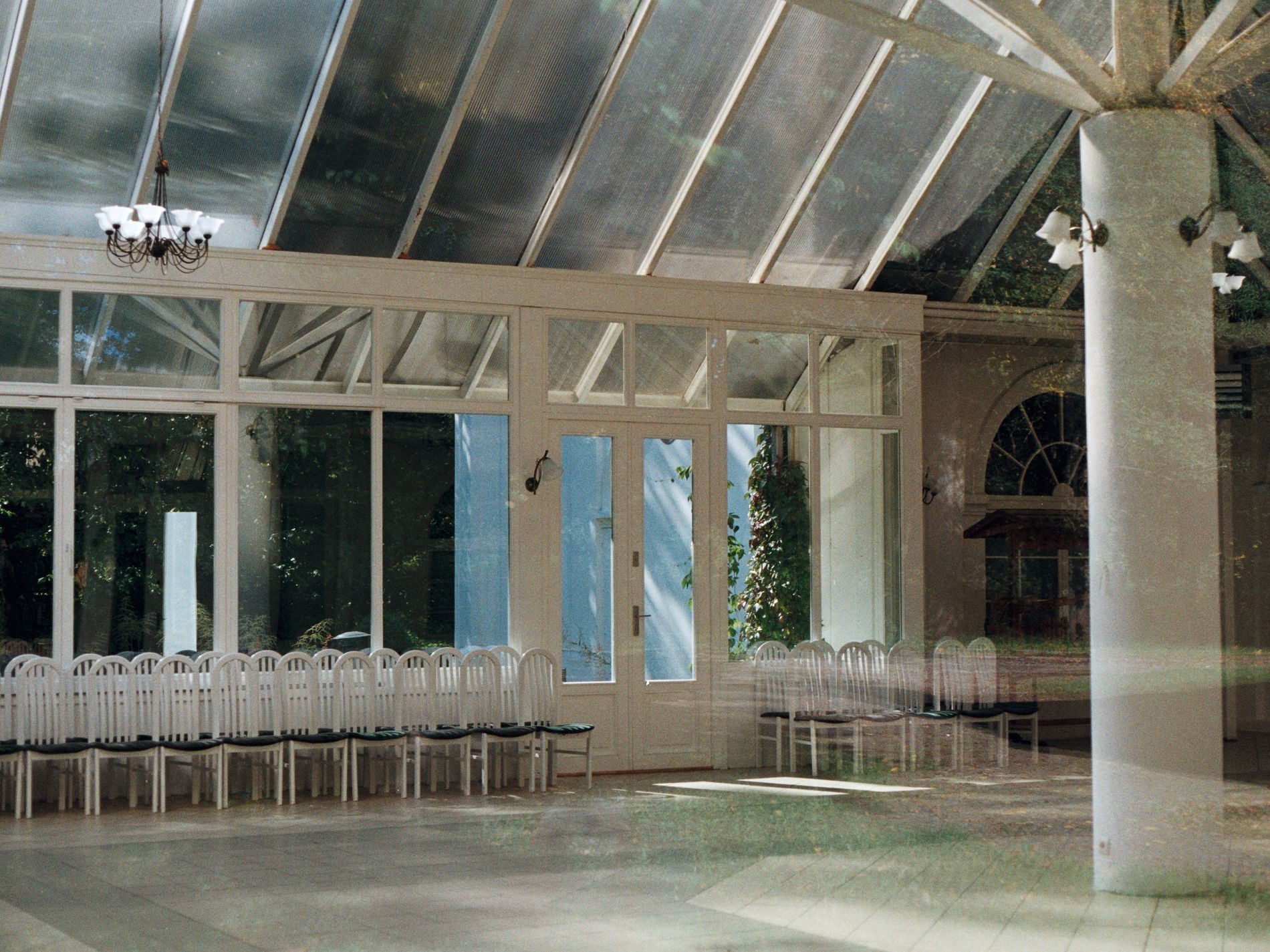
Replacing the conservatory roof entirely
A full conservatory roof replacement means removing the existing structure and fitting a new one in its place. This is the route when the old frame has failed, when glass or polycarbonate panels have reached the end of their life, or when you want to change the shape of the roof altogether.
The specialist firms who carry out this work strip the old roof back to the top of the walls. They check the condition of the existing frames and brickwork before any new materials go up. If the supports are sound, they build the new roof on them. If not, they reinforce the structure first.
You can find out exactly what is involved in a standard replacement by reading the detailed page on conservatory roof replacement in Reading. It walks through the stages from survey to completion so you know what to expect at your home.
Converting to a warm insulated roof
A warm roof conversion keeps the existing conservatory frame but replaces the glazing or polycarbonate sheets with an insulated solid structure. The result is a roof that holds heat in during winter and keeps it out during summer.
Specialist fitters add layers of rigid insulation board between new timber battens. They then cover the outside with a waterproof membrane and tiles or lightweight panels. Inside, the ceiling is finished with plasterboard ready for skimming.
This approach suits homes where the conservatory frame is still structurally sound but the temperature inside makes the space unusable for half the year. Because the frame stays, the work is generally quicker than a full rebuild.
Read more about how a warm roof conversion works in Reading, including the materials used and the typical timeline. There is also a separate guide explaining what a warm roof is and how it differs from the glass or polycarbonate you might have now.
Fitting a solid tiled finish
A solid tiled roof gives a conservatory the appearance of a permanent extension rather than an add-on. Lightweight composite or concrete tiles sit over the insulated deck, chosen to match or complement the tiles on the main house.
The specialists handling this work calculate the load-bearing capacity of the existing frames before recommending a tile type. Heavier concrete tiles need stronger support, while composite options weigh far less and suit older conservatories.
Tiled roofs block direct sunlight, which changes the feel of the room below. To keep the space bright, fitters can include roof windows or internal lighting wired into the new ceiling.
The page on solid tiled conservatory roofs in Reading covers the tile options available and how they are fixed. You can also read guidance on choosing tiles that match the rest of your house so the finished roof looks like it was always there.
Adding insulation to an existing roof
If the conservatory gets too hot in summer or loses heat rapidly in winter, adding insulation to the current roof may be enough. This avoids a full replacement and works best when the existing panels are intact but offer no thermal resistance.
Specialists fit insulating material beneath the current roof panels or attach it to the interior framework. The method depends on whether the roof is glass or polycarbonate and how much headroom you can afford to lose.
Insulation alone will not fix a leaking or failing roof, but it can make a sound structure far more comfortable. It reduces the greenhouse effect in July and cuts the chill in January.
Find out more about conservatory roof insulation fixes for overheating spaces. The advice section explains when insulation is the right choice and when a full warm roof conversion would serve you better.
Replacing conservatory windows and doors
Roof work often highlights problems with the windows and doors below it. Draughty seals, misted double glazing or warped frames let heat escape even when the new roof above is performing well.
Specialist installers supply and fit replacement windows and doors designed for conservatory use. These units handle the wider temperature swings that a glazed structure experiences compared to the main house.
You might choose to replace just the external doors, upgrade the side glazing to thicker units, or swap old French doors for bifold panels that open the space up to the garden. Each option changes how the room feels and functions.
Read about conservatory window and door replacements in Reading to see what is available. The page covers frame materials, glazing thickness and how new units integrate with a recently fitted warm roof.
Plastering the new ceiling
Once the insulated roof structure is in place, the underside needs finishing. Ceiling plastering turns the exposed boards and joints into a smooth surface ready for paint.
Specialist plasterers apply a skim coat across the entire ceiling, working around any new light fittings or ventilation points. They tape and fill the joints between plasterboards first to prevent cracks as the building settles.
A well-finished ceiling matters because it is the largest visible surface in the room. Any unevenness catches the light and draws the eye. Plasterers who work regularly on conservatory ceilings understand the movement these structures experience and use flexible compounds where needed.
The page on conservatory ceiling plastering in Reading describes the finishes available and the drying times involved. It also covers how lighting and electrics are routed through the ceiling before the final coat goes on.
Guttering and fascia work
A new roof changes how rainwater runs off the conservatory. Old gutters may not align with the new eaves, or they may simply be worn out after years of exposure.
Specialists replace fascias, soffits and guttering as part of the roof project or as standalone work. New uPVC fascias resist rot and do not need painting. Gutters are sized to handle the water volume from the new roof pitch.
Getting the drainage right prevents water from running down the conservatory walls or pooling against the house. Blocked or undersized gutters cause damp patches that damage the interior finish over time.
Read about guttering replacement in Reading to see what is involved. The page explains how new systems connect to existing downpipes and what happens when the ground-level drainage also needs attention.
Ask about roof work for your home
Send a description of your conservatory and what you have noticed. A specialist firm will review it and reply with their thoughts. This does not commit you to booking any work.
- No obligation to proceed
- Details stay private
- What happens after you enquire
Services
- Roof replacement
Conservatory roof replacement in Reading for rooms too hot in summer and cold in winter. What the work involves, the options, and who it suits.
- Warm roof conversion
A warm roof conversion in Reading replaces glass or polycarbonate with an insulated panel roof. Learn what is involved and the signs it is needed.
- Solid tiled roof
Solid tiled conservatory roofs in Reading use lightweight tiles, insulation and a plastered ceiling. What the work covers and points to check.
- Roof insulation
Insulation for a conservatory that is too hot in summer and cold in winter, covering warm roof build-up, insulated panels and what to check first.
- Windows and doors
New conservatory windows and doors in Reading, from frame and glazing options to how they tie in with a replacement warm roof and existing brickwork.
- Ceiling plastering
Conservatory ceiling plastering in Reading, covering plasterboard, skim finishes, downlights and what the inside of a new warm roof can look like.
- Guttering and fascias
Guttering and fascia replacement in Reading for conservatories, covering sagging gutters, leaks at the joints and how roofline work fits with a new roof.