Noise advice
Rain noise on a conservatory roof when it pours
Find out why polycarbonate panels drum so loudly during Berkshire downpours, what a solid insulated roof does to the sound inside your home, and which quiet conservatory roof options exist for houses around Reading.
Why polycarbonate makes so much noise in the rain
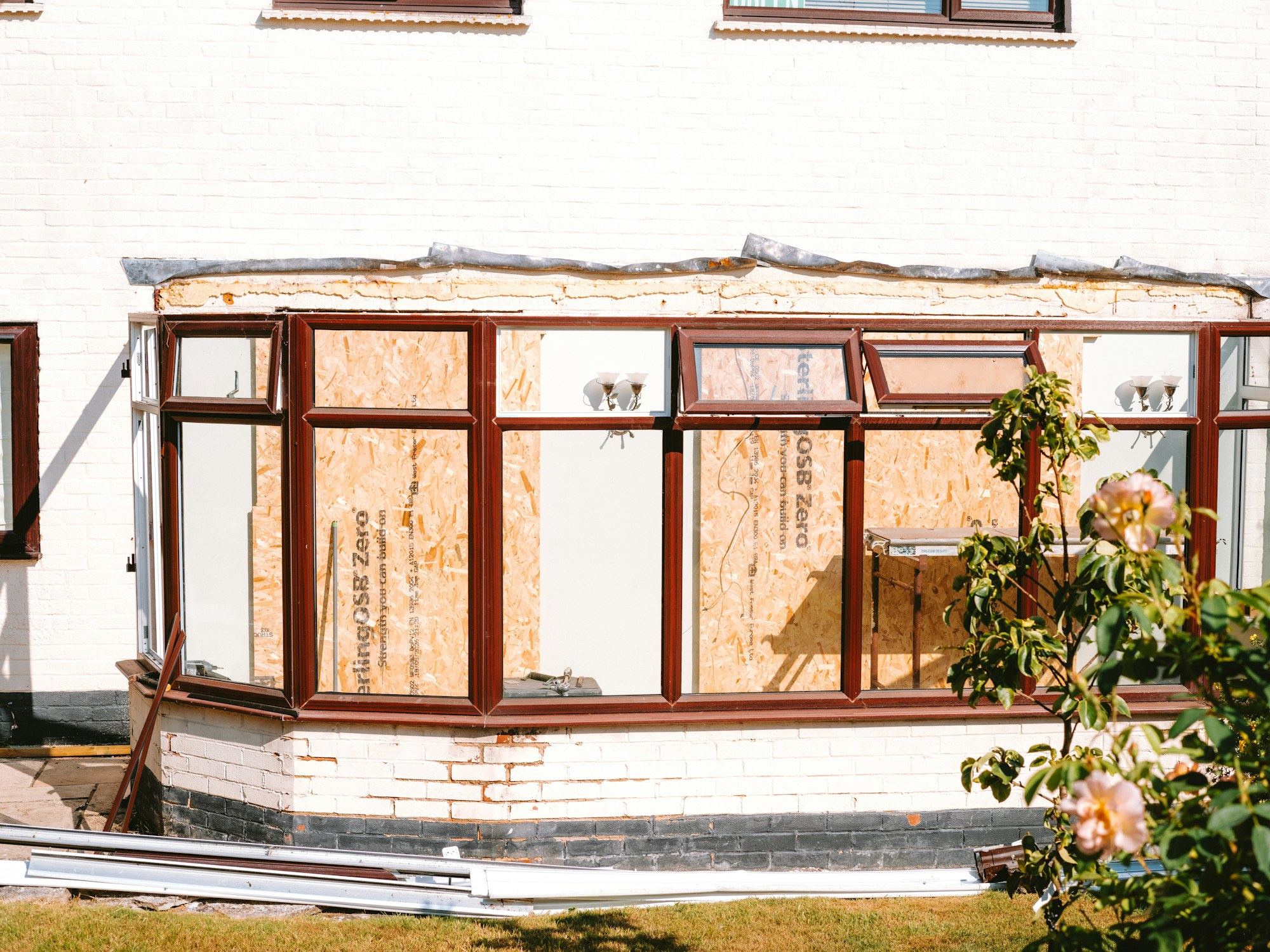
A polycarbonate roof loud rain is one of the first things people notice after moving into a home with a conservatory. The material is thin, lightweight and stretched tight across aluminium bars. When rain hits it, the sheet vibrates like a drum skin. The hollow multi-wall structure that gives polycarbonate its insulation also acts as a series of echo chambers, amplifying every drop.
The main house roof behaves differently because it has mass. Tiles sit on timber battens, felt and plasterboard, all of which absorb impact before sound reaches the rooms below. A conservatory roof lacks those layers. During heavy weather over Reading, the noise can drown out conversation and make the television unwatchable. It is not a fault in the panels. It is simply how rigid plastic responds to falling water.
What happens to the sound when you fit a solid roof
Replacing the panels with a solid tiled roof changes the room entirely. A warm roof conversion uses layers of insulation board, structural timber and exterior tiles or slates. That mass stops the vibration at the surface. Rain still falls on the roof, but the sound that enters the room drops to a faint patter, comparable to what you hear in the rest of the house.
Homeowners looking to reduce rain noise conservatory owners experience often start by exploring a [solid tiled roof](/insulated-roof-work/solid-tiled-roof-reading). The difference is immediate. You can hold a normal conversation during a storm. The room stops feeling like an outdoor shelter and starts behaving like part of the building. For homes in areas such as [Whitley](/whitley) or [Earley](/earley), where autumn rain can last for days, this change means the conservatory becomes usable again rather than abandoned until spring.
Glass versus polycarbonate for noise
Glass is heavier than polycarbonate, so it does not vibrate as freely. A thick double-glazed unit will be quieter than a standard multi-wall plastic panel during light rain. But glass is still a hard, resonant surface. In a genuine downpour, a glass roof remains loud enough to interrupt a phone call.
If the goal is to stop roof drumming rain causes, glass alone rarely solves it. Some homeowners look at acoustic laminated glass, which includes a plastic interlayer designed to dampen sound. This helps, but it adds weight and cost without reaching the silence of a fully insulated structure. Anyone weighing up quiet conservatory roof options should consider whether they want slightly less noise or a genuinely quiet room. The two require very different approaches, and a specialist firm can explain what each involves for your specific frame.
Adding material to the existing roof
It is possible to fit secondary glazing beneath the existing panels or attach acoustic blankets above them. These additions take some of the edge off the noise. They do not eliminate it. The fundamental problem is the lack of mass and separation in a lightweight structure, and bolt-on products cannot change the physics of the original frame.
Internal insulation boards covered with plasterboard offer more improvement. A specialist fitter can install these beneath the bars, creating a flat ceiling that absorbs some of the impact. But the exterior surface still vibrates, and the cavity between the new ceiling and the old panels can trap moisture if ventilation is not handled correctly. Before deciding to soundproof conservatory roof panels in place, it is worth asking a firm that handles [roof insulation](/insulated-roof-work/roof-insulation) to assess whether the existing frame can carry the extra load safely.
Costs and time for a replacement in Reading
The price of replacing a conservatory roof depends on the size of the frame, the tile chosen and whether any structural reinforcement is needed. An average-sized room in Reading typically costs several thousand pounds. The exact figure requires someone to measure the space and check the condition of the existing base. Details on what affects the final number are covered in the [replacement roof costs](/heat-and-noise/replacement-roof-costs) guidance.
The work itself usually takes three to five days for a specialist crew. The old panels come off, the new structure goes up, and the interior is plastered and painted. During that window the conservatory is out of use and open to the weather, so the firm will protect the floor and any furniture left in the room. Once finished, the space is immediately habitable. There is no drying-out period beyond what the plaster requires, which is normally a matter of days.
Signs the rain noise is more than a nuisance
Rain noise on a conservatory roof in Reading turns heavy showers into a drumming that drowns out conversation and television. Polycarbonate panels are thin, lightweight and rigid, so raindrops strike them like fingers tapping a drum skin. The sound is loud because the material has no mass to absorb the impact.
- 1
Rattling between showers
Panels clicking in light wind may have slipped from their glazing bars or lost their sealing gaskets.

- 2
Visible sagging
A dip in the roofline suggests the sheets have softened with age and no longer sit flush against the frame.

- 3
Water marks inside
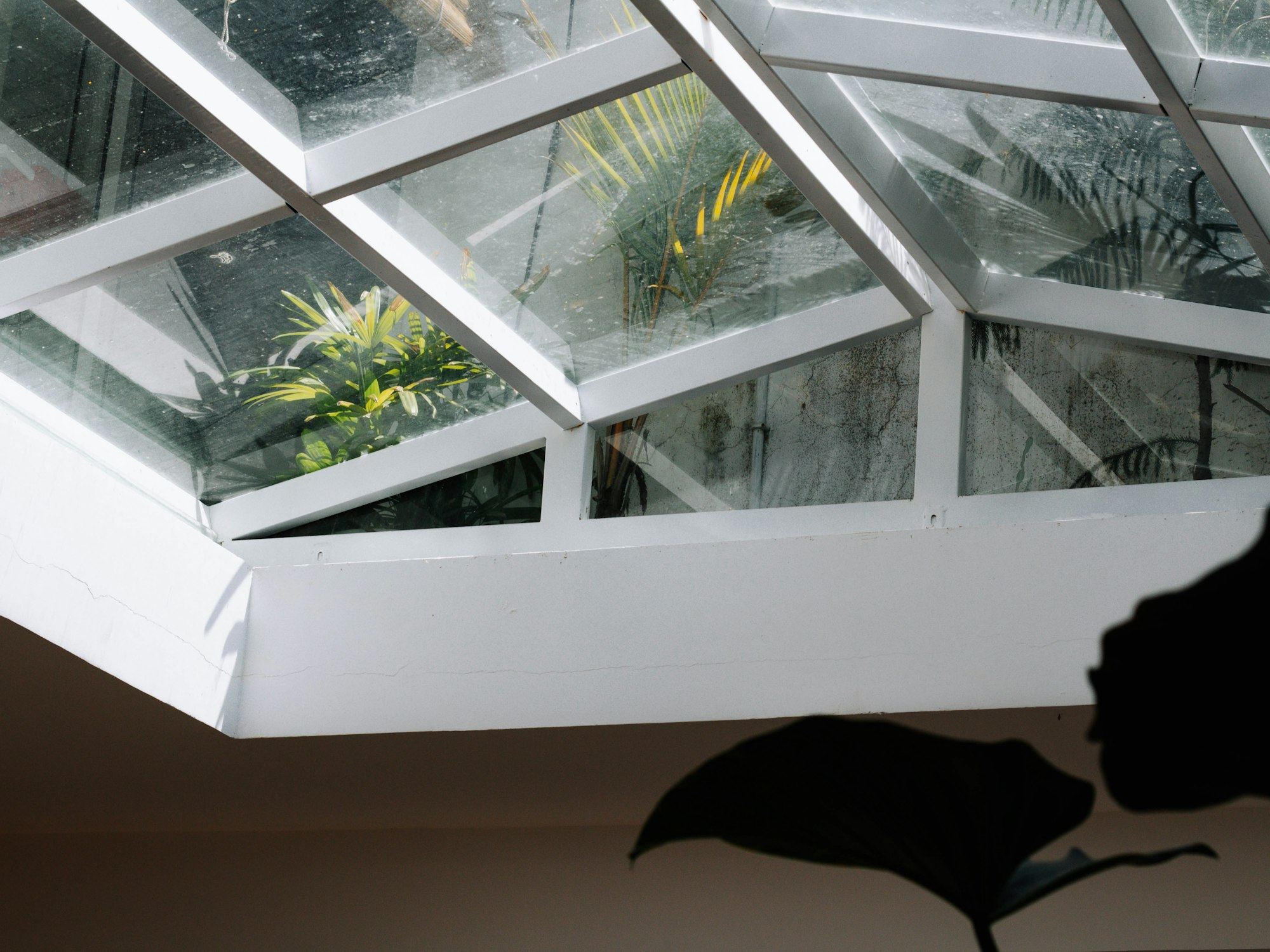
Brown lines along the flutes mean water is entering the hollow chambers, adding weight and altering how the panel sounds.
- 4
Cracks near the edges
Stress fractures where the panel meets the bar can let the sheet move independently, creating a sharper tapping noise.
Questions about noisy conservatory roofs
Answers to the things people in Reading ask before arranging for someone to look at their roof.
- Why is polycarbonate louder than tiles?
- Polycarbonate is thin and hollow. It vibrates freely when struck by water, unlike heavy tiles backed by timber and plasterboard.
- Will a solid roof actually quieten it?
- Yes. The mass of insulation, timber and tiles absorbs the impact. Rain becomes a faint background sound rather than a drumbeat.
- Can I add something to my current roof?
- Acoustic blankets or internal boards help slightly, but they cannot match the silence of a full replacement structure.
- Does drumming mean the roof is failing?
- Not always. Loud noise is normal for polycarbonate. Rattling in dry weather or visible sagging suggests the panels have shifted.
- How long is the room out of use?
- A specialist firm typically completes a replacement in three to five days, protecting the interior while the old roof is removed.
- What is the next step?
- Send an enquiry describing your conservatory. A local firm will arrange to visit, measure the frame and discuss your options.
Ask someone to assess your conservatory roof
Send details about your home and the noise problem. A specialist firm covering Reading will reply to arrange a visit. There is no obligation to proceed with any work.
- No obligation
- Local firms only
- Arranging a roof inspection