Cost guide
What affects conservatory roof replacement cost
Find out what moves the price of a warm roof job. Size, shape, tile choice, frame condition and finishing work all affect what a specialist quotes after surveying your home.
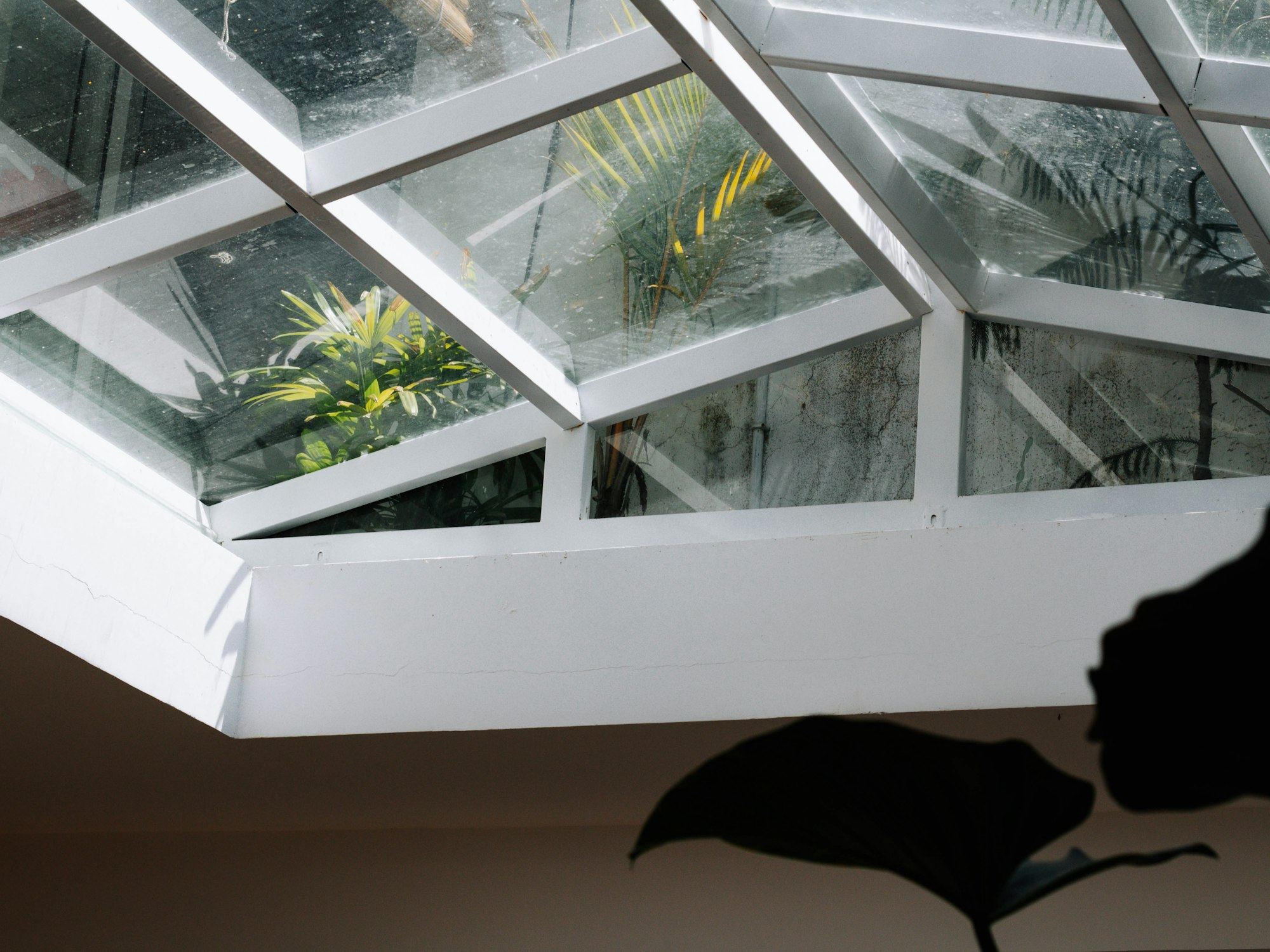
What shapes the conservatory roof replacement cost
When you start looking into the cost to replace conservatory roof panels or glazing, the first thing to understand is that no two jobs in Reading are identical. The conservatory roof replacement cost depends on several physical factors that a specialist must measure before quoting.
The footprint matters most. A larger room needs more insulation board, more tiles or panels, and more structural support. Height plays a part too, since working above a certain level requires different access equipment.
Then there is the covering itself. Warm roof conservatory prices in Reading vary depending on whether you choose lightweight insulated panels or solid tiles. Tiles add weight, so the existing frame must be able to carry them. Lightweight composite options sit on thinner boards and change the load calculation entirely. Insulated conservatory roof pricing reflects these material differences directly, because the components themselves cost different amounts and take different hours to fit.
How the shape of your conservatory changes the quote
A lean-to with a single flat slope is the simplest structure to strip back and cover again. That simplicity keeps the lean to conservatory roof replacement cost at the lower end of what you might expect for a solid roof conversion in Reading.
Victorian and Edwardian styles have multiple facets meeting at ridges and hips. Each junction needs flashing, sealing and careful alignment. A tiled conservatory roof quote for one of these shapes will reflect the extra cutting, fitting and weatherproofing involved.
P-shaped and T-shaped layouts combine straight runs with curved bays. The transitions between sections require bespoke framing and additional waterproofing details. What affects solid roof price here is the geometry: more angles mean more time spent making sure every joint sheds water correctly. A specialist surveyor measures each plane individually to calculate materials accurately rather than relying on floor area alone.
Existing frames and whether they need strengthening
The new roof sits on whatever frame is already there. If those aluminium or uPVC rafters were designed for glass or polycarbonate, they may not carry the weight of tiles without modification.
A specialist assesses the load-bearing capacity during the survey. Sometimes additional steel or aluminium reinforcement is fitted inside the existing profiles. In other cases, the top ring beam needs replacing or supplementing before any insulation goes down.
This structural work adds to the overall figure but prevents problems later. A roof that sags because the frame was never checked defeats the purpose of the conversion. The base matters too. If the dwarf walls show movement or the foundations have shifted, a specialist addresses that before starting the roof. You cannot build a stable insulated layer on a moving structure, and any remedial work will appear as a separate line in the final quote.
Roof lights, plastering and electrical additions
A solid roof blocks the light that once came through glass or polycarbonate. Many homeowners in Reading choose to fit roof lights to keep the room bright. Each opening needs cutting into the insulation board, framing, flashing and glazing. Adding one or two increases both material costs and labour time.
Once the structural roof is on, the internal finish begins. Plasterboarding and skimming the ceiling turns the space from a construction site into a room. This plastering stage takes a day or two, plus drying time before painting.
Electrical work often happens at the same stage. Spotlights, pendant fittings, sockets or heaters all need wiring run through the new ceiling void before it closes up. A specialist electrician handles this. Whether these elements are bundled into one quote or priced separately depends on how the firm structures its work. Ask specifically about electrics and finishes when discussing the job, so nothing arrives as a surprise later.
Time on site and living around the work
Most warm roof conversions in Reading take between three and five days of active work, depending on size and complexity. Structural reinforcement or extensive plastering can extend that.
You cannot use the conservatory while the old roof comes off and the new one goes on. The room is open to the weather during the strip-out phase, so furniture and belongings need to move out beforehand. Specialists usually advise clearing the space completely and laying dust sheets in any adjoining rooms.
Mess inside the main house is generally limited to foot traffic through the doorway. The bulk of the debris falls outside or stays within the conservatory footprint. Once the outer shell is sealed, the internal work generates plaster dust, which the fitters manage with sheeting and ventilation. You can use the rest of your home normally throughout.
From survey to fixed quote
After you send an enquiry, a specialist arranges to visit your home in Reading. They measure the structure, check the frame condition, discuss tile or panel options and note any electrical or plastering requirements.
That survey produces a written quote. Because the specialist has seen the actual building, the figure accounts for the specific challenges of your roof rather than generic averages. Once accepted, the quoted price holds unless you change the specification or the survey uncovers something hidden, like rotten timber behind a fascia.
If you want to compare warm roof conservatory prices in Reading, request surveys from more than one firm. Each specialist sets their own rates for materials and labour, so figures differ. Make sure each quote covers the same scope: structure, insulation, covering, flashings, internal finish and any electrical work. Only then can you see what you are actually comparing.
Signs your conservatory roof might need replacing
Problems with temperature, noise or damp often point to a roof that no longer performs. These signs suggest the current covering has reached its limit.
- 1
Room too hot or too cold
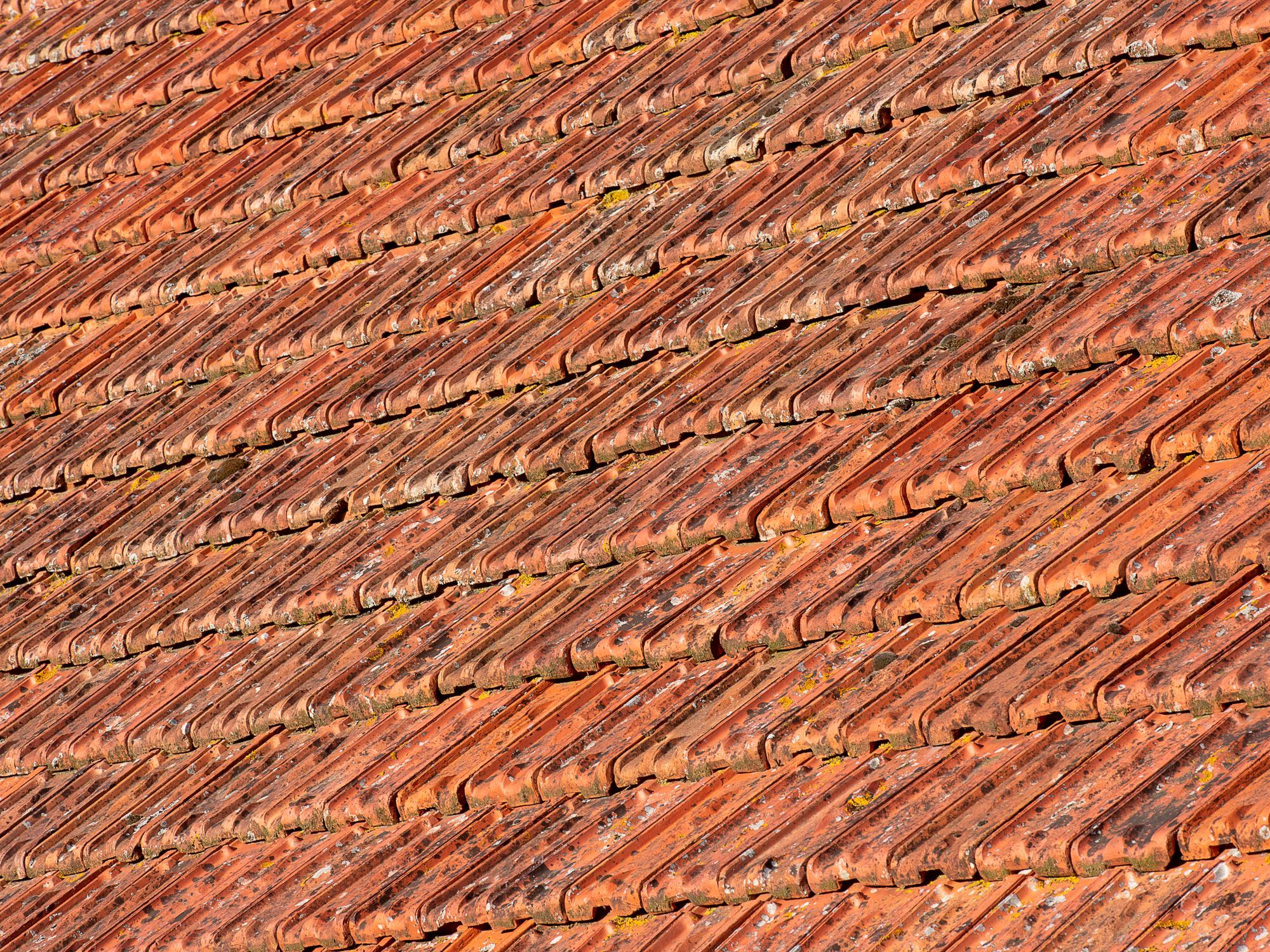
The space overheats in summer or feels freezing in winter. Glass and polycarbonate offer little thermal resistance, so temperatures follow the weather outside closely.
- 2
Loud rain noise
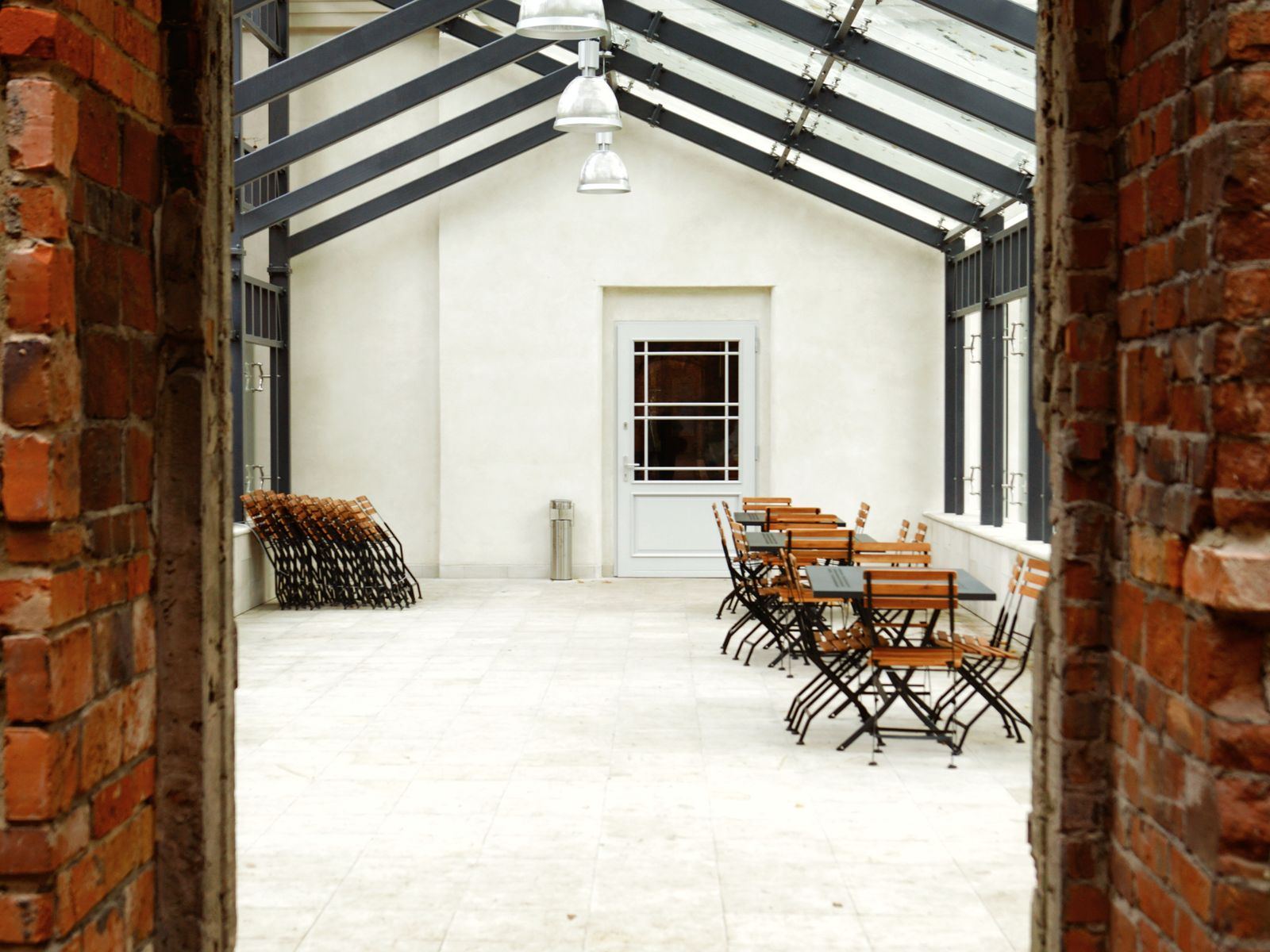
Heavy rain drums loudly enough to drown out conversation. Thin panels transmit sound directly into the room without absorbing any of the impact.
- 3
Condensation on panels
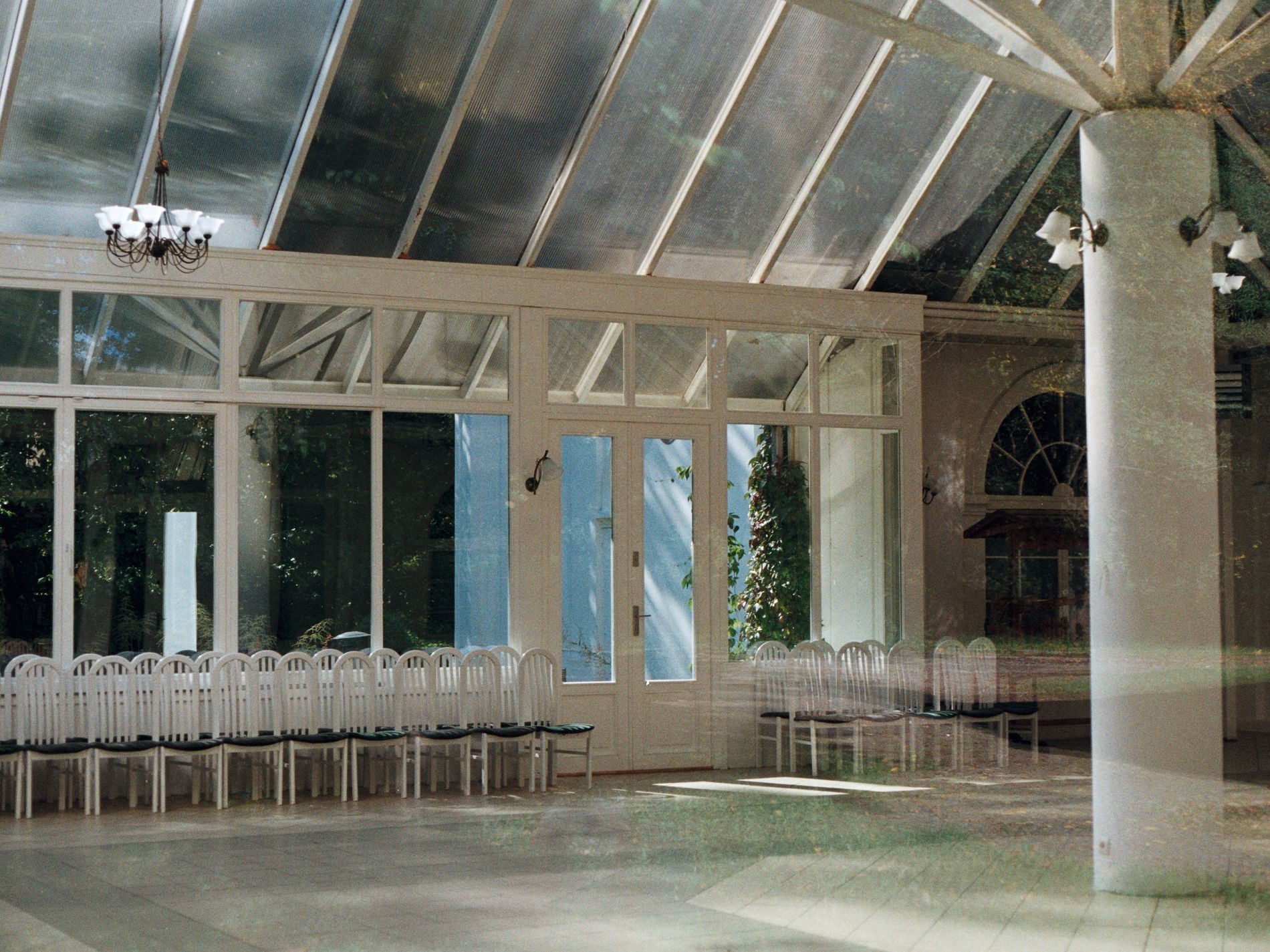
Moisture beads on the underside of the roof on cold mornings. Poor insulation lets warm indoor air hit a cold surface, causing water to form.
- 4
Discoloured or sagging panels
Polycarbonate yellows over time or bows between supports. Age and sun exposure degrade the material, reducing both light quality and structural stiffness.
- 5
Leaks at the joints
Water tracks down the frame where panels meet. Seals harden and shrink after years of temperature changes, letting rain past the weatherproofing.
Questions about roof replacement costs in Reading
- Why do quotes vary so much?
- Size, shape, tile type, frame reinforcement and finishing work all differ between homes. A specialist calculates each element after surveying the structure.
- Is electrical work included?
- Wiring for lights or sockets is sometimes quoted separately. Ask the specialist to confirm whether electrics fall inside the main figure or come as an addition.
- Do I need planning permission?
- Most conservatory roof replacements in Reading fall under permitted development. A specialist checks whether your home meets the criteria or needs approval.
- Can I keep my existing frames?
- Often yes, provided they bear the new load. The surveyor tests their strength and specifies any reinforcement required before fitting the insulated roof.
- How long until the room is usable?
- Active work typically takes three to five days. Plaster drying adds further time before you can paint and move furniture back in.
Ask about your conservatory roof
Send details about your home and what you have noticed. A specialist reviews the information and contacts you to arrange a survey. There is no obligation to proceed.
- No commitment required
- Specialist surveys your home
- Written quote follows