Winter advice
Cold conservatory in winter: where the heat goes
A room that empties out by October usually has a roof problem. Find out where the heat goes, why heaters fail to warm up a cold conservatory, and what a specialist might quote for.

Where the heat actually goes
Glass and polycarbonate panels lose warmth faster than any other part of the structure. A radiator or electric heater pumps energy into the room, but conservatory heat loss through the roof means that warmth escapes almost as quickly as it arrives. The air near the ceiling cools, sinks, and drags the temperature down with it.
This is why a conservatory freezing in winter feels impossible to fix with heating alone. The glass acts like a single skin between you and the outside air. On a January evening in Reading, when temperatures drop below zero, the inside surface of the roof can be only a few degrees warmer than the sky above it. Any heat you generate passes straight through.
People often wonder whether the walls or the roof cause the bigger problem. In most cases, the roof accounts for the majority of the loss because it covers the largest area and sits directly under rising warm air. Until that surface stops conducting heat outward, running a heater just burns electricity.
Condensation on cold mornings
Water running down the inside of the glass is a direct result of the temperature difference between the room and the roof surface. Warm air holds moisture from breathing, cooking, or drying clothes nearby. When that damp air touches a cold panel, it releases the water immediately.
On winter mornings across Reading, this leaves streaks on the glass and puddles on the window sills. Over weeks, the constant damp soaks into frames, encourages mould on blinds, and damages anything left on the furniture below. Wiping it down every day does not stop it returning the next morning.
Ventilation helps slightly, but opening windows in January defeats the point of trying to keep the room warm. The underlying cause is the cold surface itself. A roof that stays closer to room temperature gives the moisture nowhere to condense, which removes the streaks and the puddles without needing extra airflow.
Why portable heaters rarely help
Plugging in an electric heater seems like the obvious conservatory freezing winter fix. It warms the air around your feet for as long as it runs. But the moment you switch it off, the temperature drops again within minutes.
The cost adds up fast. Running a two-kilowatt fan heater for four hours a night throughout December and January uses a lot of electricity. Over several winters, those bills approach the price of permanent insulation work. And the room never actually feels comfortable; the air stays dry near the heater and damp near the glass.
Heaters also do nothing about the noise. Rain on a bare polycarbonate or glass roof still sounds exactly the same, and the cold surfaces still draw moisture from the air. Heating a space that cannot hold heat is expensive and temporary. Stopping the escape route at the roofline changes how the whole room behaves.
What a solid insulated roof changes
Replacing a glass or polycarbonate roof with a solid tiled system alters the physics of the room. Insulation layers sit beneath the tiles, creating a barrier that slows heat transfer. The inside surface stays much closer to the air temperature you set, so warmth remains where you put it.
A specialist firm handling a warm roof conversion will remove the old panels, check the existing frame, and fit insulated boards before tiling over them. The finished ceiling gets plastered to match the rest of the house. What was once a glazed extension becomes a room that holds its temperature overnight.
For homeowners wanting to make a conservatory usable all year, this is the main change required. The room no longer dumps heat upward, so the central heating system or a small radiator can maintain comfort without running constantly. Condensation on the ceiling stops because the surface is no longer cold enough to pull water from the air.
Frames, doors and the rest of the envelope
A new roof solves the biggest source of heat loss, but the walls matter too. If the glazing panels are thin single units or the door seals have perished, cold air still finds a way in. Specialist firms often assess the whole structure during a survey.
Sometimes the existing frames are perfectly sound and only need reglazing with thicker double-glazed units. Other times, particularly on older installations around Reading, the frames themselves have warped or degraded. Replacing the windows and doors alongside the roof ensures the insulation works as intended rather than leaking out at the edges.
Guttering and fascias often get attention at the same time, since the scaffolding or access equipment is already in place. Doing everything together avoids paying twice for access and leaves the exterior looking consistent. The specialist will explain which parts genuinely need replacing and which can stay.
Getting a price for the work
Figuring out how much it costs to resolve a conservatory too cold to use starts with a survey. A specialist visits the home, measures the roof, checks the load-bearing capacity of the existing frame, and discusses tile choices that suit the house.
After the visit, they produce a written quote covering removal, structural work, insulation, tiling, plastering, and any electrical adjustments for lighting. There is no obligation to proceed from the quote. It simply tells you what the job involves and what it would cost.
In Reading and nearby areas such as Whitley and Earley, local specialists carry out these surveys regularly. They know the common frame types used in the area and the building regulations that apply. Once you accept a quote, lead times depend on materials and weather, but many installations take only a few days on site once the preparation is complete.
Signs your conservatory loses more heat than it keeps
A room that empties out by November usually shows the same symptoms. These are things you can see and feel yourself, before anyone looks at the structure.
- 1
Water on the inside glass
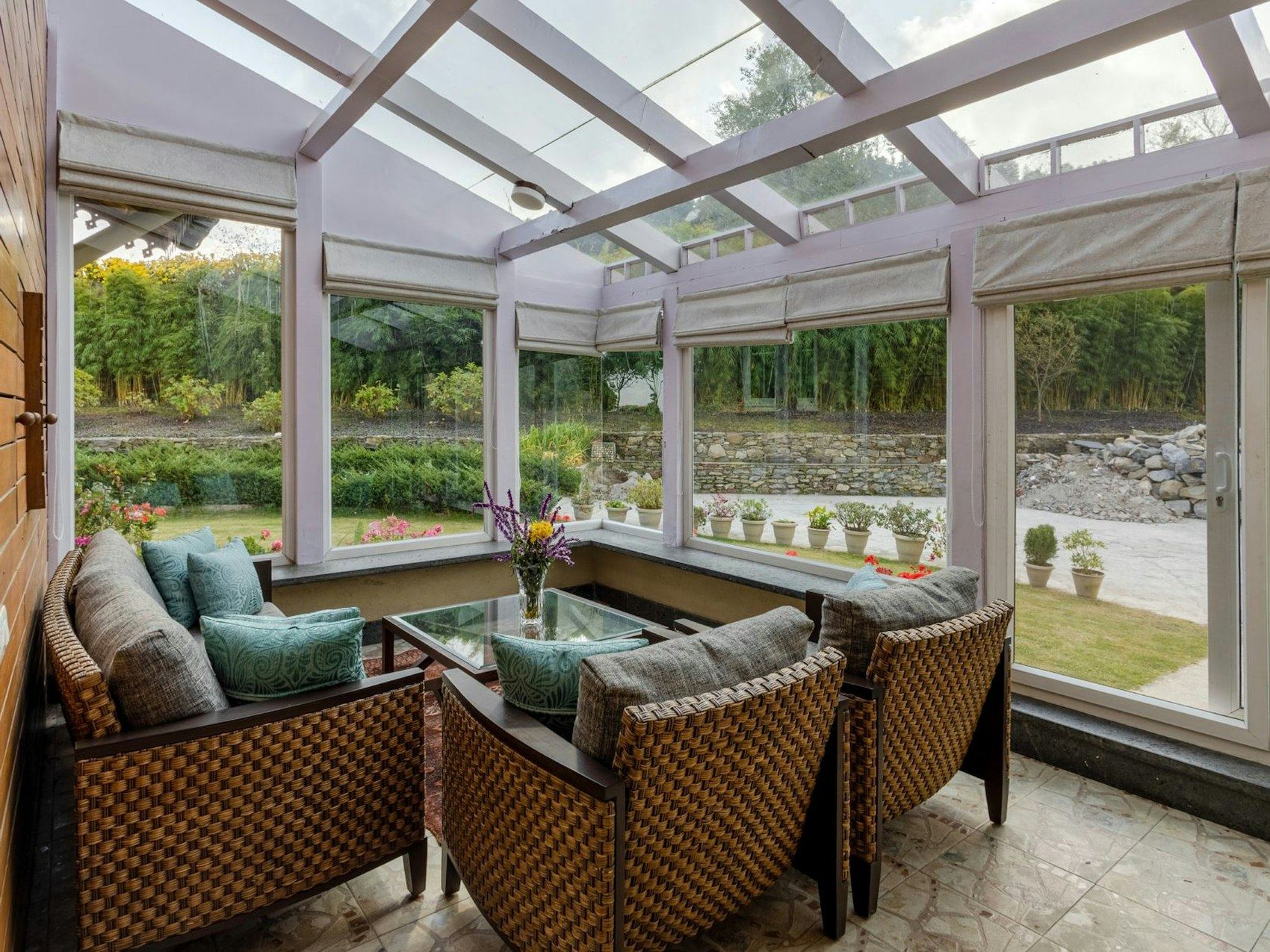
Damp streaks or beads forming on the inner surface of the roof panels each morning, pooling on the sills below.
- 2
Radiator running constantly
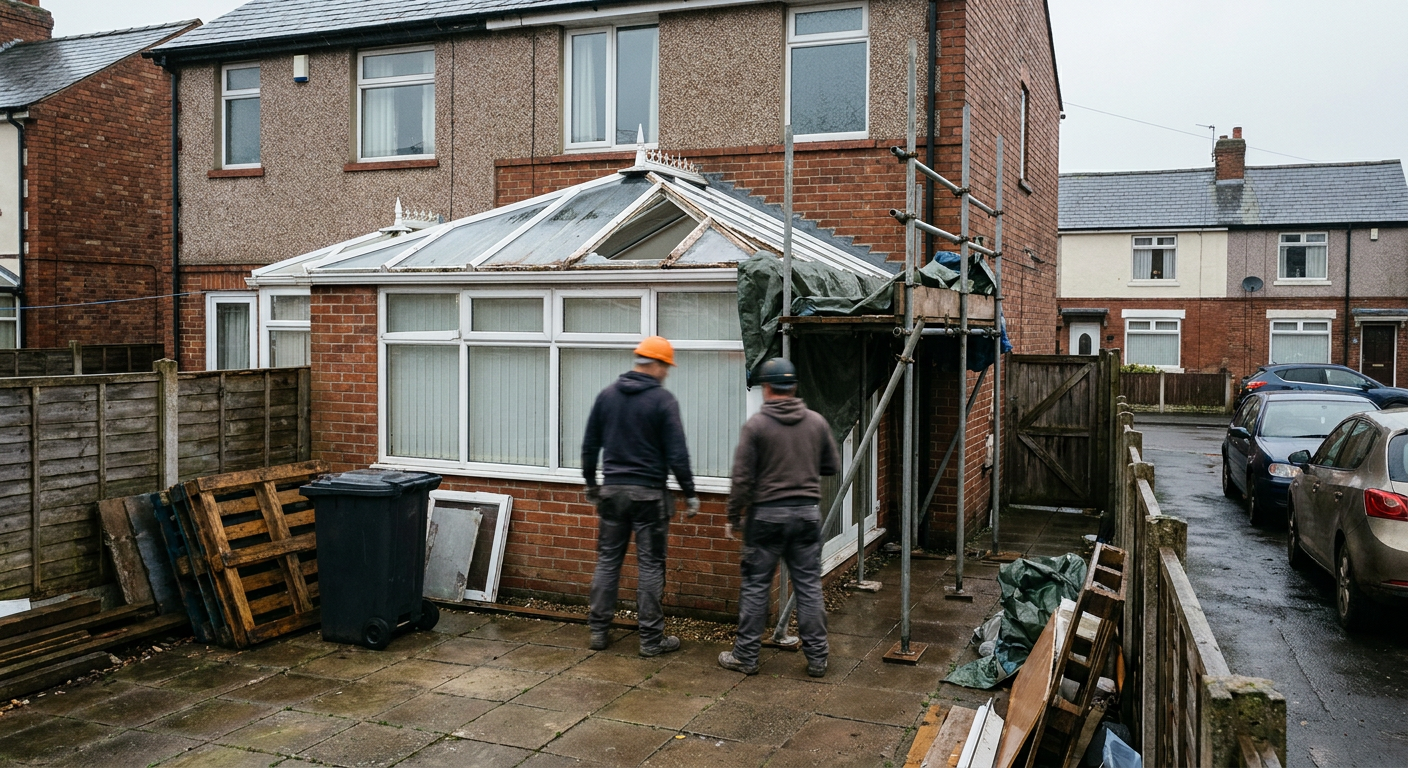
The heating stays on full but the room never reaches the thermostat setting, so the radiator never clicks off.
- 3
Cold downdraught from above
A noticeable chill dropping from the ceiling even when the door to the house is shut and the heating is on.

- 4
Furniture pulled away
Sofas and plants moved toward the centre of the room to avoid the cold zone near the walls and roof edge.
Questions about winter heat loss
Why is my conservatory freezing in winter even with the radiator on?
The roof lets heat escape faster than the radiator produces it. Glass and polycarbonate conduct warmth straight outside, so the air temperature never builds up enough to feel comfortable.
Where is the heat actually going, the roof or the glass?
Most of it leaves through the roof because warm air rises and hits the largest uninsulated surface first. Wall glass contributes, but the roof area dominates the total loss.
Will a solid insulated roof make the room usable through a Reading winter?
Yes. An insulated solid roof retains generated heat, keeping the room at a steady temperature. Specialists in Reading fit these systems specifically to allow year-round use.
Why does water run down the inside of the glass on cold mornings?
Warm indoor air hits the cold inner surface of the glass and releases its moisture. This condensation forms because the roof panel temperature sits well below the dew point.
Is an electric heater cheaper than changing the roof in the long run?
No. Running high-wattage heaters daily through winter costs more over several years than a one-off roof replacement, and the room still feels unevenly heated while they run.
How much to make the conservatory warm enough?
Prices depend on roof size, tile choice, and whether frames need replacing. A specialist provides a fixed quote after surveying your home, with no obligation to proceed.
Does the room need new doors and frames as well as a new roof?
Not always. If the existing frames are structurally sound and hold double glazing, they can stay. The specialist checks this during the survey and quotes only for necessary work.
What happens at a survey and how soon could the work be done?
The specialist measures the roof, inspects the frame, and discusses options. You receive a written quote afterwards. Installation typically takes a few days once scheduled.
Find out what the work would involve
Send a description of your conservatory and a specialist firm will arrange a survey at your home in Reading. The quote is free and carries no obligation to book the work.
- Free written quote
- No booking pressure
- Local specialists