Advice for Reading homes
Conservatory insulation advice for Reading homes
Find out what the temperature swings, rain noise and damp patches in your conservatory actually mean. These guides explain the options available to homes in Reading so you know what to ask for when you decide to act.
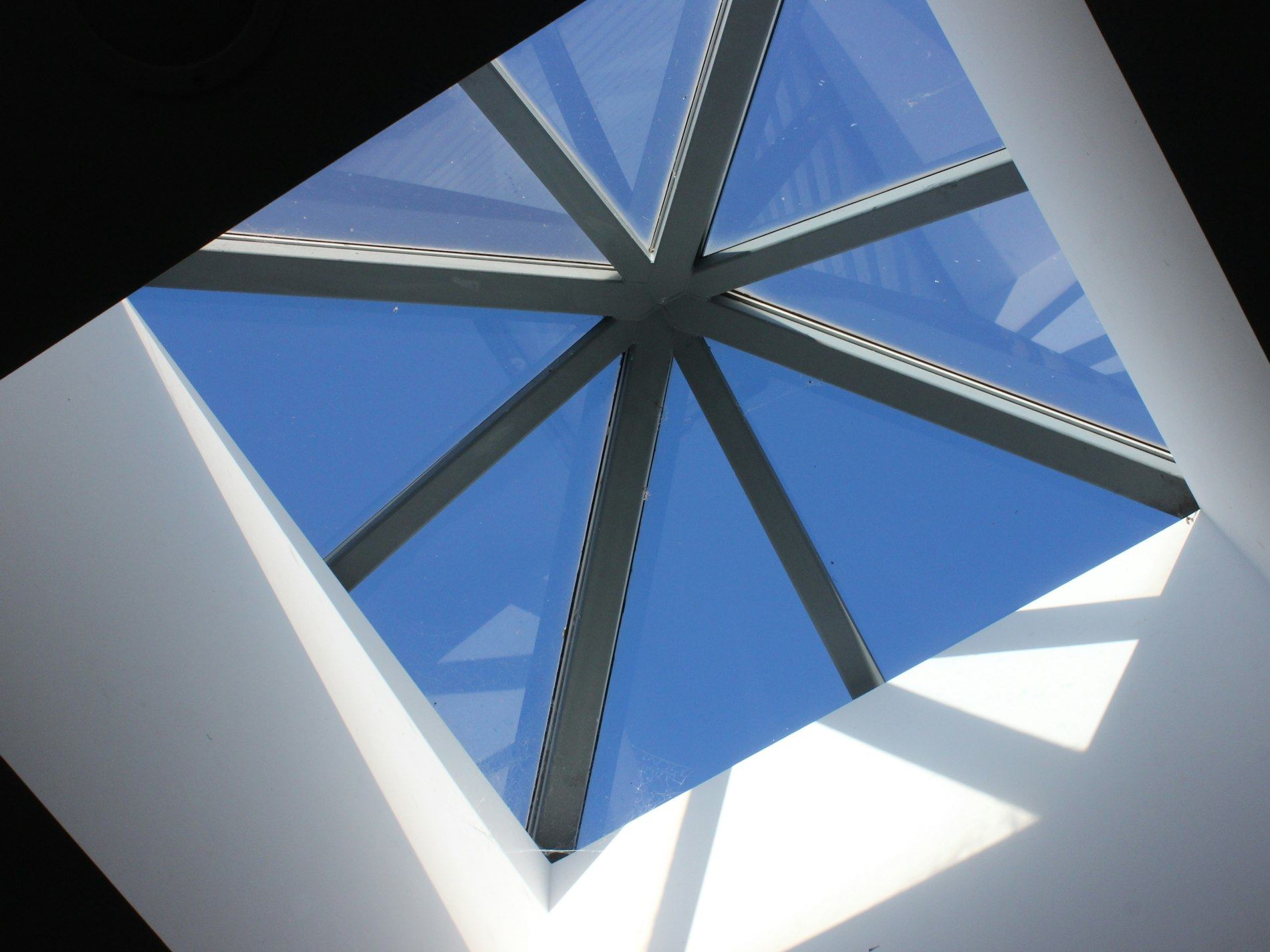
Conservatory insulation advice for Reading homes
Why a glass or polycarbonate roof struggles all year
A conservatory with a single layer of glass or polycarbonate has almost no thermal resistance. In January, the heat from your home escapes straight through the roof panels, leaving the room too cold to sit in without heavy heating. By July, that same lack of barrier lets solar radiation pour in unchecked, turning the space into something closer to a greenhouse than a living room.
This is why a conservatory freezes in winter and boils in summer. The roof material simply cannot regulate the transfer of heat in either direction. A cold conservatory winter fix usually starts here, because replacing draughty doors will not help much if the main surface area above you is still losing warmth every minute.
Insulating the roof gives the biggest improvement first. New doors make the room feel less draughty at floor level, but the ceiling accounts for most of the heat loss. Addressing the roof changes how the whole space behaves before you spend money on anything else.
Roof replacement and conversion choices
When people look at insulate conservatory roof options, they usually find two main routes: adding insulation beneath the existing structure, or replacing the roof entirely with a solid, tiled system.
A warm roof conversion strips out the old glazing or polycarbonate sheets and fits insulated panels topped with lightweight tiles. This changes the room from a seasonal add-on into something usable throughout the year. The specialist handles the structural assessment, since older conservatory frames were not always designed to carry the weight of tiles, even lightweight ones.
Internal roof insulation involves fixing boards beneath the current roof and finishing them with plaster. Whether this is worth doing depends on the condition of the frame and how much head height you can afford to lose. It is not automatically a halfway measure, but it does leave the original outer layer in place, which matters if that layer is already failing.
You can read more about [Warm Roof Conversion in Reading](/insulated-roof-work/warm-roof-conversion-reading) or [Solid Tiled Conservatory Roofs in Reading: Tiles and Fit](/insulated-roof-work/solid-tiled-roof-reading) to see what each approach involves.
Dealing with rain noise on a hard roof
Polycarbonate roofs amplify rainfall. Each drop hits a thin, hollow chamber and the sound carries directly into the room below. If you want to soundproof a conservatory roof without removing it, the options are limited but they do exist.
Some specialists fit acoustic dampening layers over the existing panels. Others apply external coatings designed to absorb impact. Neither method matches the quietness of a solid tiled roof, but both reduce the drumming effect enough that conversation becomes possible during a downpour.
If the noise is the main reason you avoid the room, understanding the exact cause helps. Thin polycarbonate behaves differently from old glass, and the framing plays a part too. A full replacement is the most effective route, but it is not the only one. Read about [Conservatory rain noise solutions](/heat-and-noise/rain-noise-on-the-roof) to see what works for different materials.
Condensation and ventilation after insulation
Adding insulation changes how air moves and where moisture settles. A room that previously lost heat rapidly through its roof may suddenly trap warm, moist air against cooler surfaces once that escape route is blocked. This is the root of most condensation problems after insulation work.
Proper ventilating prevents this. A specialist will calculate the airflow needed and build it into the new roof design, usually through trickle vents or dedicated ridge ventilation. Skipping this step risks damp patches forming on walls and window frames, particularly in winter when indoor humidity rises.
Conservatory condensation advice should always cover ventilation as part of the installation plan, not as an afterthought. If you notice water running down the inside of the glass after recent work, the balance between warmth and airflow has shifted. Find out more about [Ventilation in a conservatory with a solid warm roof](/insights/ventilation-in-a-conservatory-with-a-solid-warm-roof).
Planning, building control and local costs
Most conservatory insulation work falls under permitted development, but building control approval can be required if the work changes the thermal envelope significantly or alters the structure. Rules vary depending on whether the conservatory remains separated from the main house by external-grade doors. A specialist will clarify what applies to your specific layout before any work begins.
Budgeting depends on the route chosen. Internal insulation with a plastered ceiling generally costs less than a full solid tiled replacement, but prices in Reading shift based on the size of the frame, access difficulty and tile choice. Getting someone to assess which problem your conservatory actually have means sending details to a firm that covers your area, whether that is central Reading, Whitley or Earley.
The specialist visits the home, examines the frame and glazing, and explains what is structurally possible. You then receive a clear scope of work rather than a guess. See the [Conservatory Roof Replacement Cost guide](/heat-and-noise/replacement-roof-costs) for what influences pricing, or check [Building Regulations in Reading](/heat-and-noise/building-regulations-reading) for local requirements.
Signs your conservatory roof needs attention
A conservatory shows you when it is struggling. The symptoms appear in different seasons and sometimes overlap, making it hard to tell whether the problem is the roof, the doors or the frame itself.
- 1
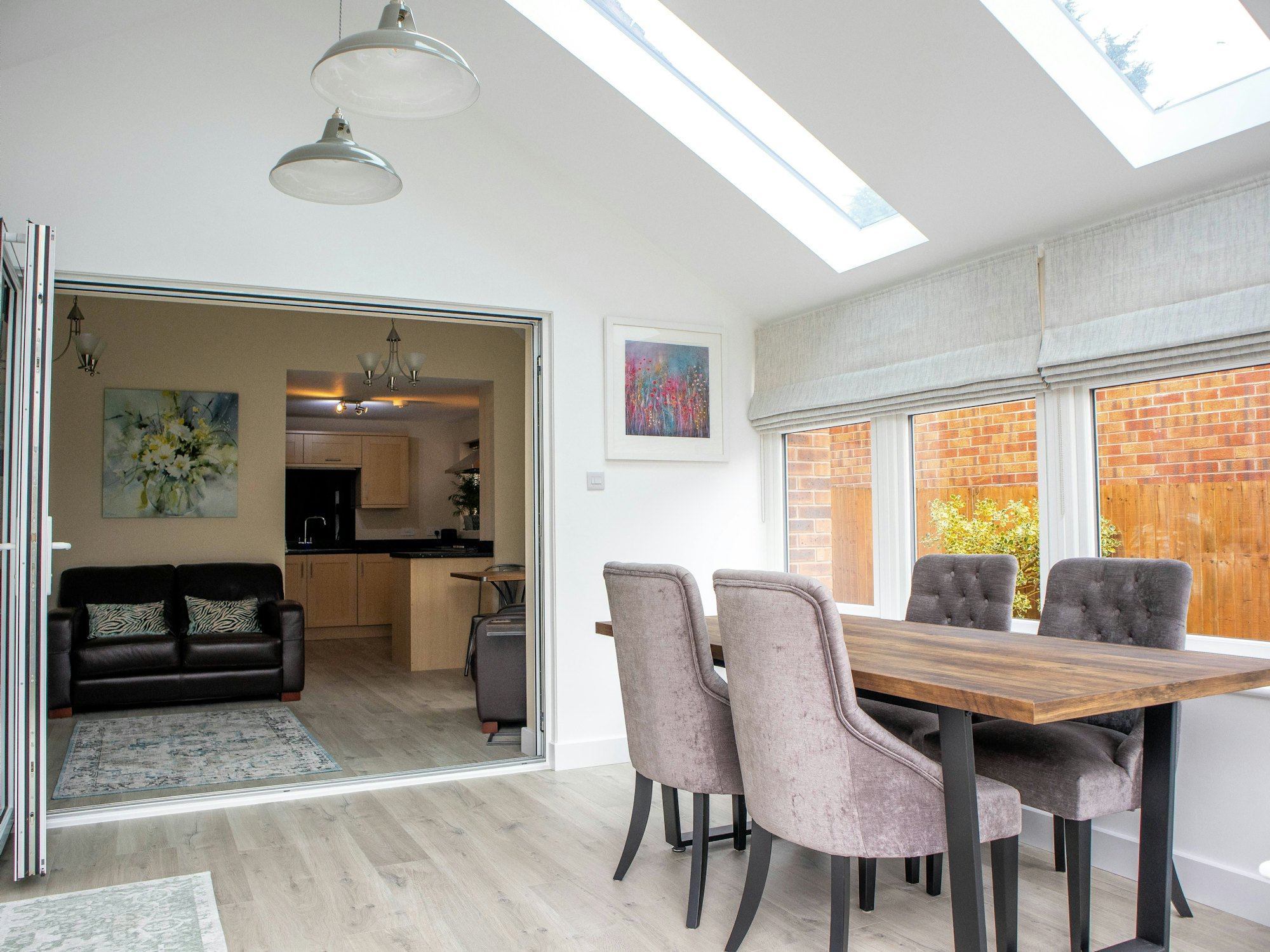
Water pooling on inside sills
Moisture gathers along the bottom edges of the glazing, often worse in the morning. This points to trapped humidity meeting cold surfaces.
- 2
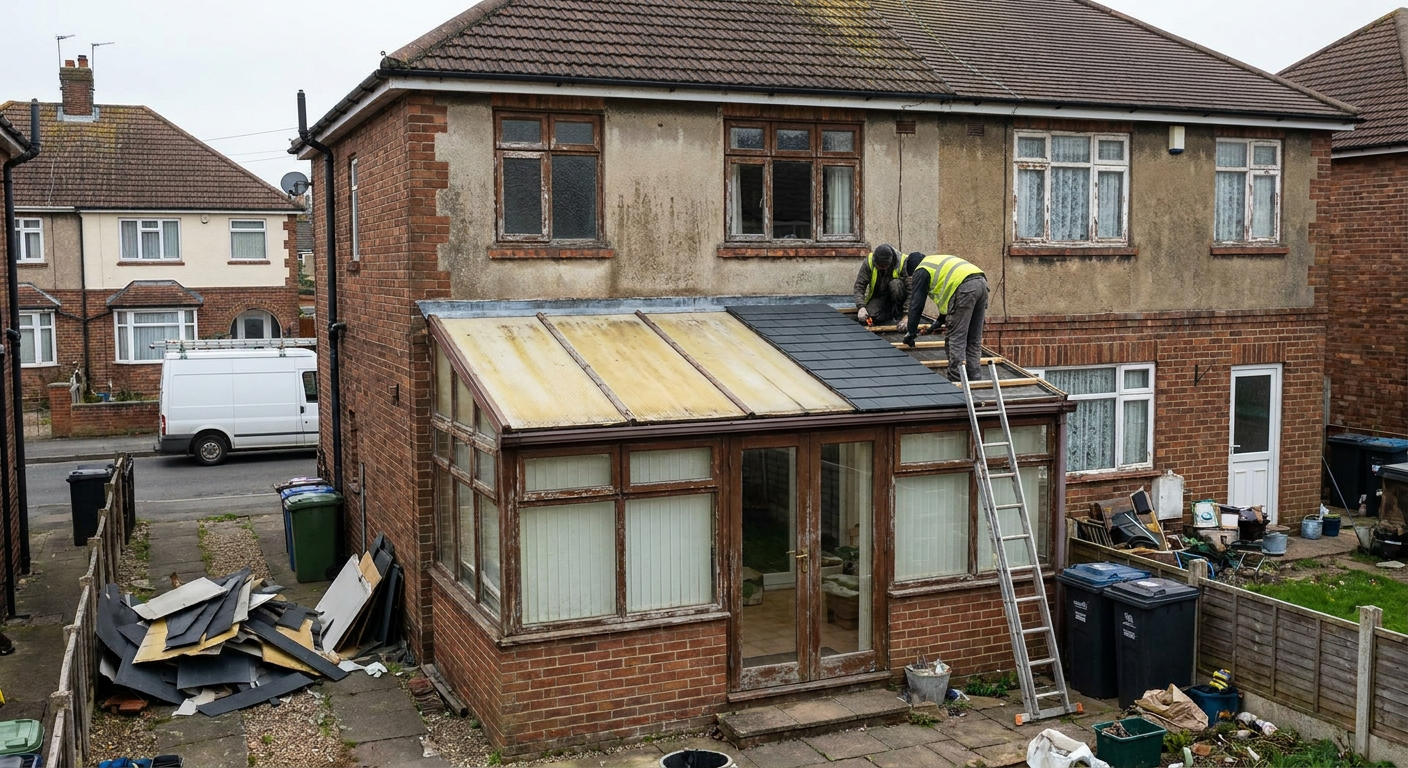
Loud drumming in light rain
Even a drizzle fills the room with noise. Thin polycarbonate chambers amplify impacts that a solid or double-glazed surface would absorb.
- 3
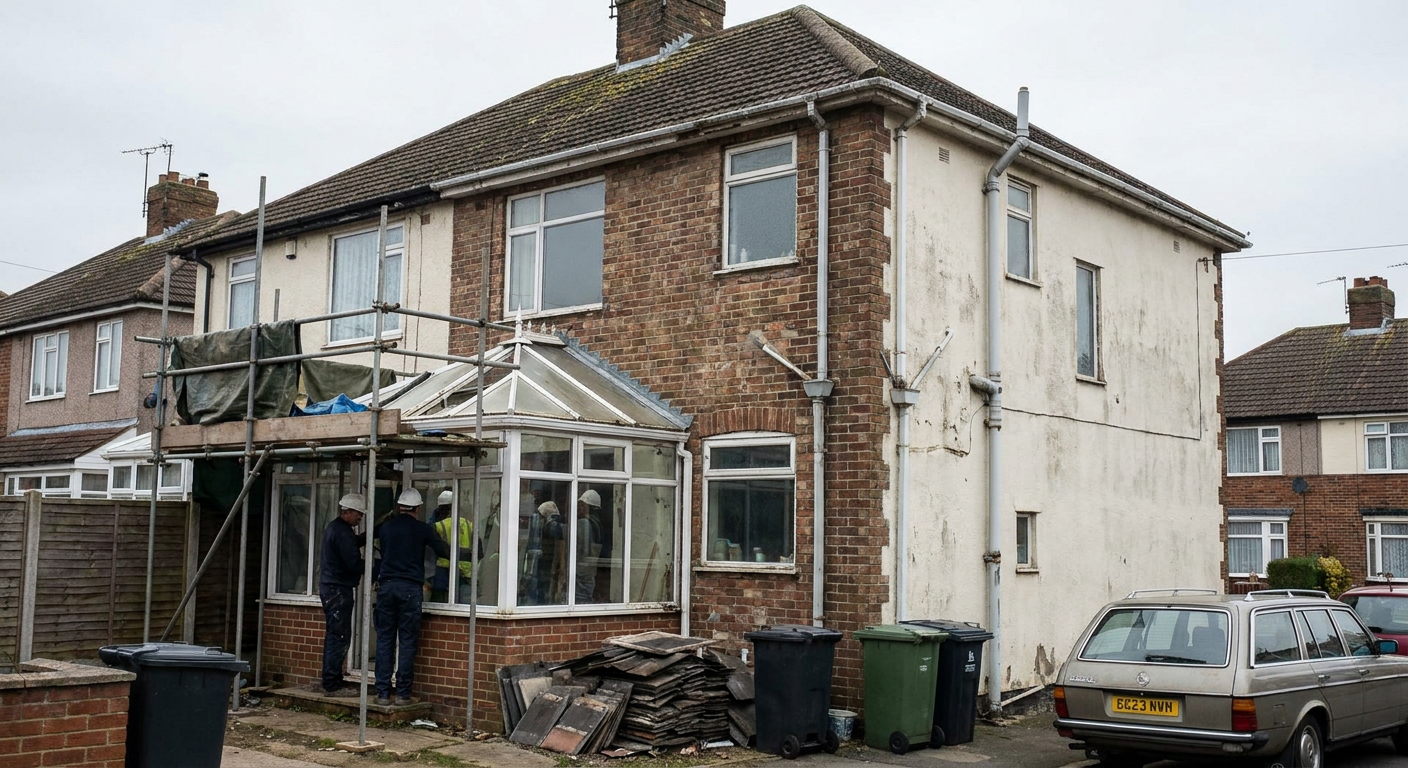
Frost on interior glass panes
Ice forms on the inside of the roof panels on cold nights, meaning the interior surface temperature has dropped well below the room air.
- 4
Peeling paint near the ceiling
Paint blisters or flakes where the wall meets the roofline. Repeated cycles of condensation and drying break down the finish over time.

Questions about conservatory roof work
Common things homeowners in Reading ask before deciding what to do about a noisy, cold or damp conservatory.
- Roof insulation versus new doors
- Insulating the roof makes the biggest difference first. Doors stop draughts at floor level, but the roof loses most of the heat.
- Quieting rain without replacing the roof
- Acoustic layers or external coatings reduce the noise on polycarbonate. They help, but a solid tiled roof is quieter overall.
- Freezing winters and boiling summers
- Single-layer glass or polycarbonate cannot regulate heat. A warm roof adds the insulation needed to hold steady temperatures.
- Internal insulation with plasterboard
- It works if the frame is sound and you can spare the headroom. It is not a shortcut, but it leaves the outer roof in place.
- Condensation after insulating
- Trapped moisture causes it. Proper ventilation built into the new roof design prevents damp from forming on walls and glass.
- Budgeting for roof work in Reading
- Costs depend on size, access and materials. A specialist surveys your home and provides a price based on the actual frame.
Ask about your conservatory roof
Send a description of what you have noticed. A specialist who covers Reading will review it and arrange a visit to your home if the work fits what they do. There is no obligation to proceed.
- No obligation to proceed
- Specialists cover Reading
- Site visit arranged locally