Condensation guide
Conservatory roof condensation and damp patches
Find out why water forms on the underside of your conservatory roof, how to tell damp air from a failed seal or leak, and what a specialist surveys when they visit your home.
Why moisture gathers under glass and polycarbonate
Conservatory roof condensation happens because warm, damp air meets a cold surface. Glass and polycarbonate panels cool quickly after dark, especially during winter months in Reading. The air inside holds moisture from cooking, drying clothes or simply breathing. When that air touches the chilled underside of the roof panels, the water vapour turns back into liquid.
Misting under roof panels is most obvious first thing in the morning. You might see a fine fog across the glazing or heavier droplets running down the slope. This behaviour follows basic physics rather than a fault in the structure. A glass roof cools faster than a tiled one, so condensation on a conservatory glass roof tends to be more frequent and more visible.
The problem gets worse if the room stays closed up for long periods. Trapped air grows more humid, and the temperature gap between inside and outside widens at night. Homes near the Thames or in lower parts of the town often see higher humidity levels, which makes the effect more pronounced.
Telling a leak from normal damp air
Water dripping inside a conservatory can come from two very different sources. Condensation forms evenly across cold surfaces, usually appearing as mist or small beads that gather and run downward. A leak behaves differently. It enters at a specific point, often leaving a stain or a steady drip regardless of the indoor temperature.
Working out whether you have a conservatory roof leak or damp air means watching where the water appears. Moisture from the air coats whole panels. Water from a failing seal tracks along a bar or pools beneath a joint. If the dripping continues through a dry, mild day, the cause is probably external water finding its way in.
Failed sealed units show another distinct sign. When the edge seal around a double-glazed panel breaks down, moisture gets trapped between the two sheets of glass. That misting sits inside the unit and cannot be wiped away. Roof seals work differently. They sit between the panels and the aluminium or uPVC bars. When they harden or shrink, rainwater bypasses them entirely.
What damage excess moisture causes over time
Persistent damp does not just look unpleasant. Left unchecked, it encourages mould growth on frames, walls and any plasterwork nearby. Conservatory damp ceiling issues in Reading homes often start with overnight condensation that never fully dries out before the next cold spell arrives.
uPVC frames handle moisture better than timber, but the rubber gaskets around them can degrade faster when constantly wet. Plasterboard ceilings below the roof line absorb water readily. Once saturated, they sag, stain and provide a surface for black mould spores to colonise.
The damage spreads slowly. A few weeks of heavy condensation might leave only a musty smell. Over several winters, paint peels, wallpaper lifts and soft furnishings take on a damp odour. Addressing the source early prevents these secondary problems from taking hold in the rest of your home.
Whether ventilation alone solves the problem
Adding vents or opening doors helps reduce humidity, but ventilation has limits. Trickle vents in windows allow some airflow without letting in too much cold. Extractor fans pull moist air out actively. Both methods lower the amount of water vapour available to condense on the roof.
But ventilation cannot change the temperature of a single pane of glass or a thin polycarbonate sheet. On a freezing night in Earley or Whitley, the panel will still drop well below the dew point of the indoor air. So while better airflow reduces the severity, it rarely stops condensation altogether.
Changing the roof alters the physics. An insulated structure keeps the internal surface warmer, which removes the cold target that moisture clings to. For many homeowners, this proves more reliable than relying on open windows during the coldest months of the year.
How a specialist inspects the roof
A surveyor visiting your home looks at the entire structure, not just the wet patches. They check the condition of every seal, examine the glazing bars for movement and test the drainage channels that carry rainwater away. Blocked gutters force water back under the flashing, mimicking a condensation problem.
They measure the type of glazing installed. Single skin polycarbonate, double glazed units and solid panels all behave differently. The surveyor notes where thermal bridging occurs, which is where cold transfers directly through metal components to the inside surface.
Before someone comes out to look, wipe the panels dry in the evening and note when moisture returns. Take photographs of any drips, stains or mould spots. Leave the heating set as you normally would. This gives the specialist a realistic picture of how the room performs under everyday conditions rather than an artificially dried-out version.
Replacing the roof to stop moisture forming
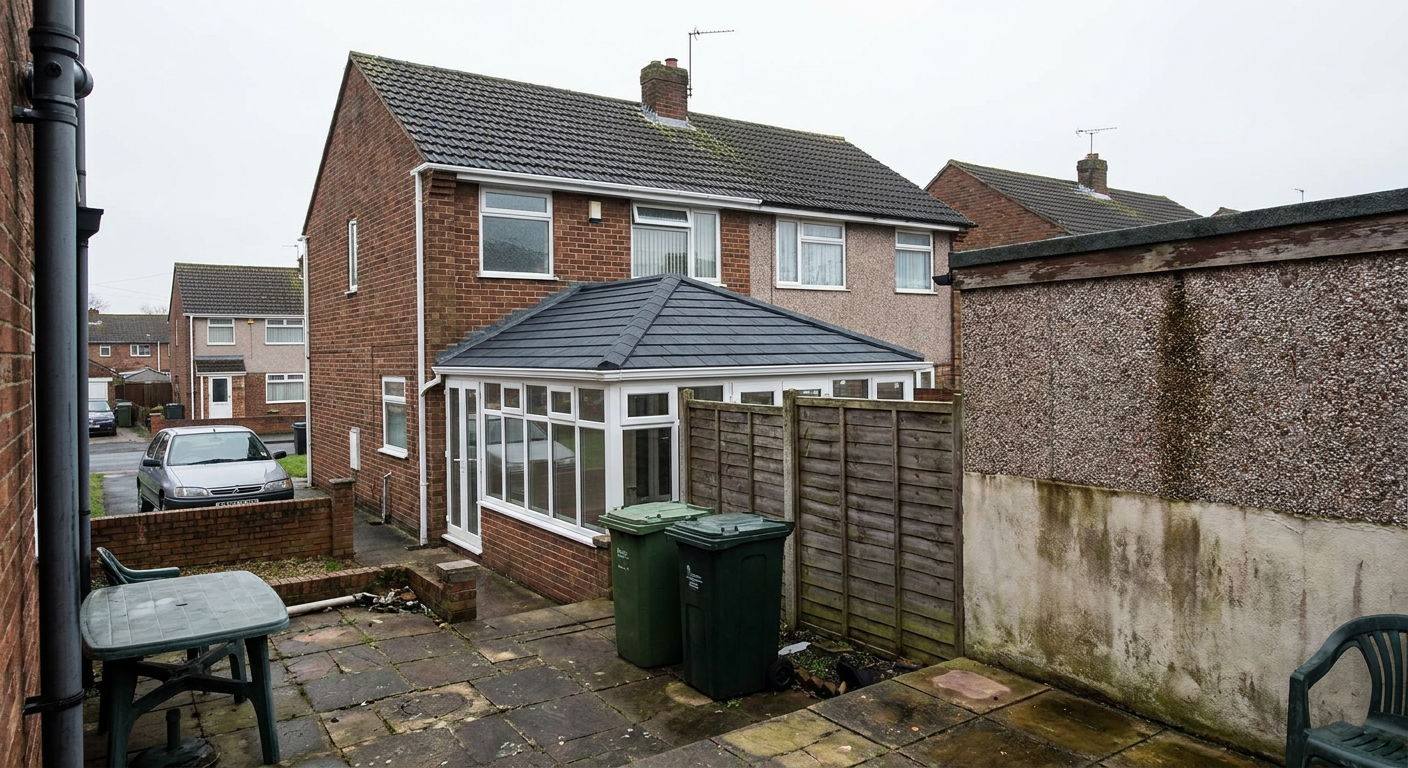
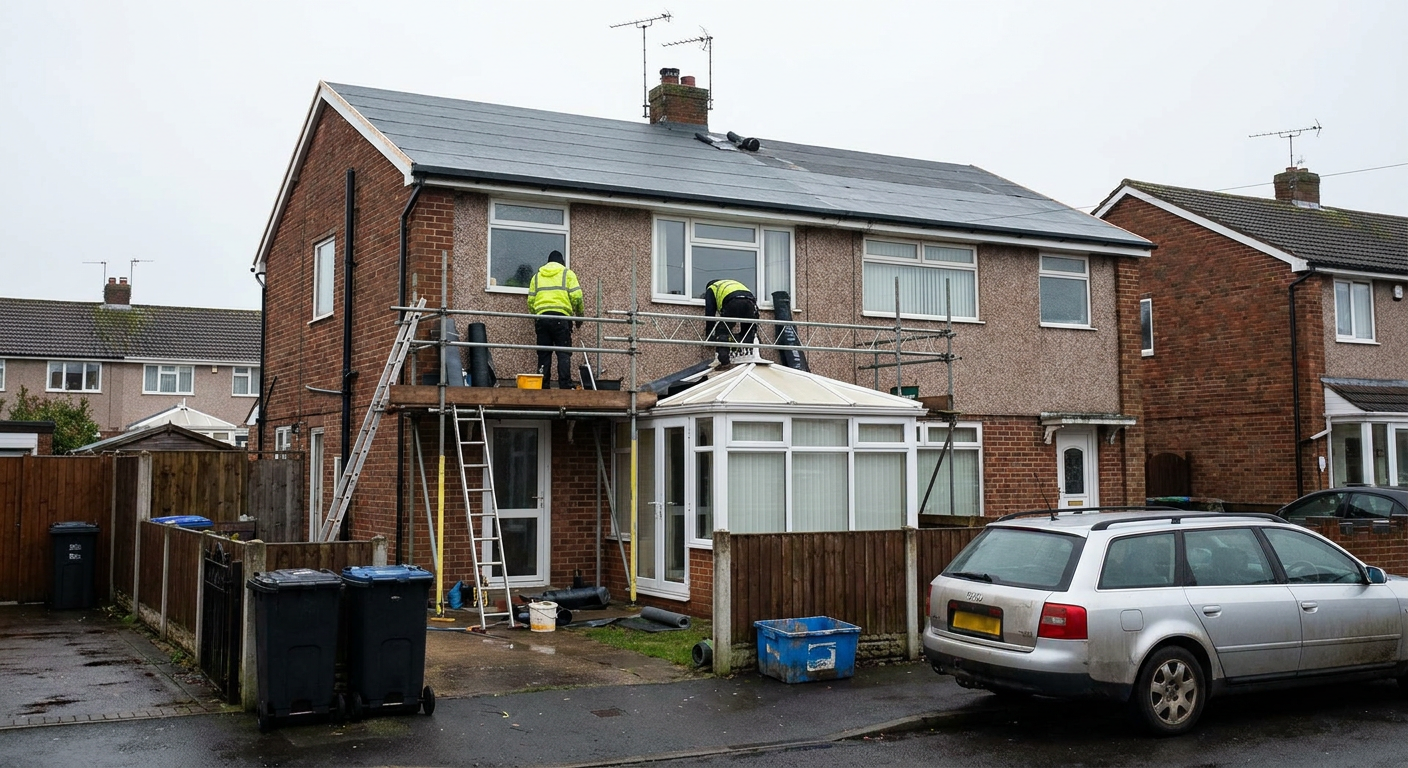
A warm roof conversion changes the thermal performance of the space fundamentally. By adding insulation above the structural bars and finishing with tiles or a solid membrane, the internal ceiling stays close to room temperature. Without a cold surface, water vapour remains in the air rather than settling on the panels.
This approach works across Reading, including older conservatories that were built with minimal thermal consideration. Solid tiled roofs offer the same benefit while also reducing rain noise and improving security. The existing frame can often support the new materials, though a structural assessment confirms this.
Where full replacement is not practical, adding insulation boards beneath the existing glazing improves the surface temperature. It is a compromise compared to a complete build, but it shifts the dew point enough to make a noticeable difference during typical British winters.
Is it condensation or is water getting in?
Moisture on the inside of a conservatory roof comes from either the air you breathe or a gap in the weatherproofing. These signs help you tell them apart before calling anyone out.
- 1
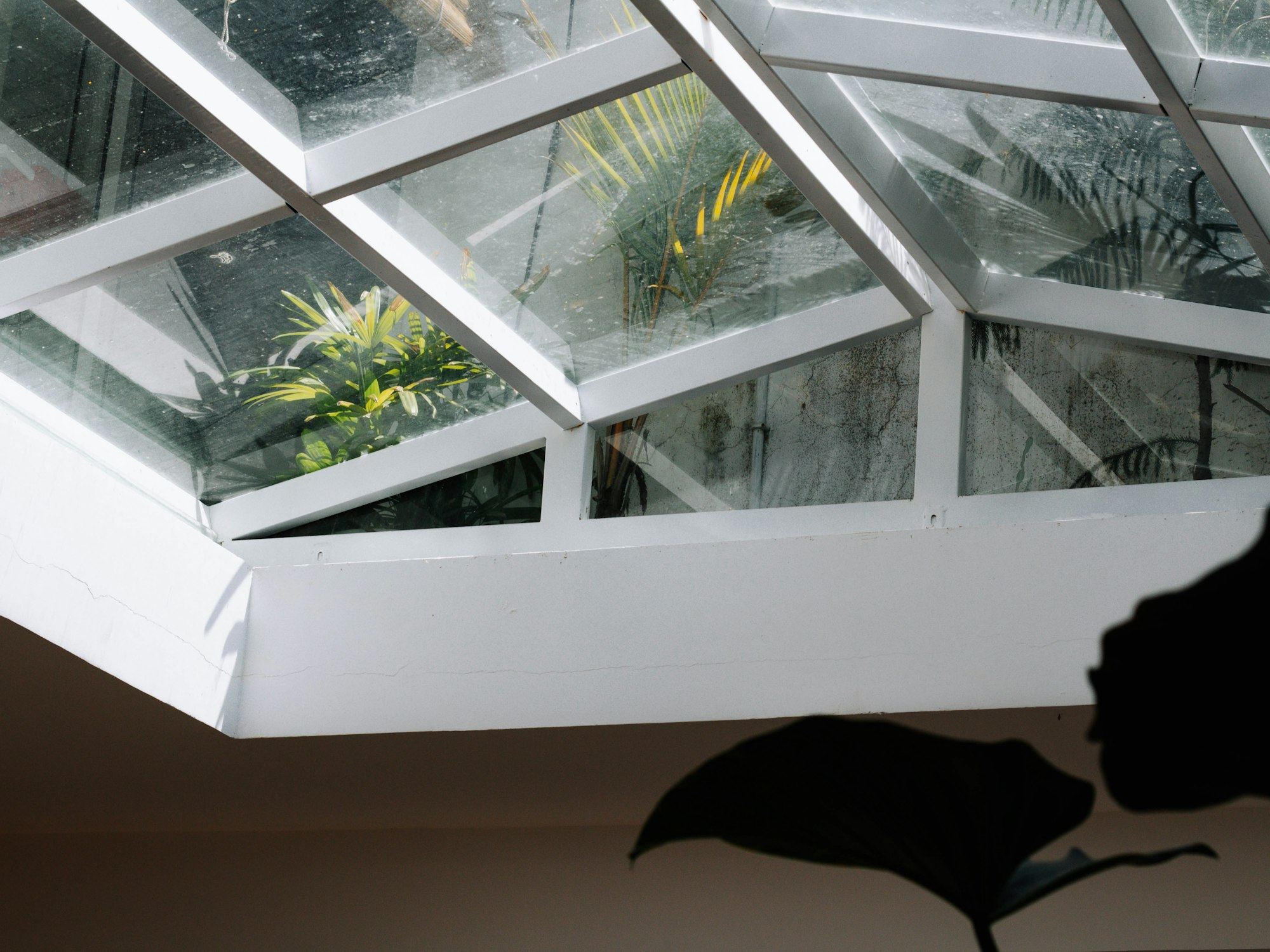
Even mist across panels
A uniform fog that clears when the room warms up points to humid air meeting cold glass rather than a structural fault.
- 2
Drips tracking along one bar
Water following a single glazing bar suggests rain entering through a shrunken seal or a blocked channel above it.
- 3
Fog trapped inside the glass
Mist sealed between two panes means the edge of that double-glazed unit has failed and needs replacing.
- 4
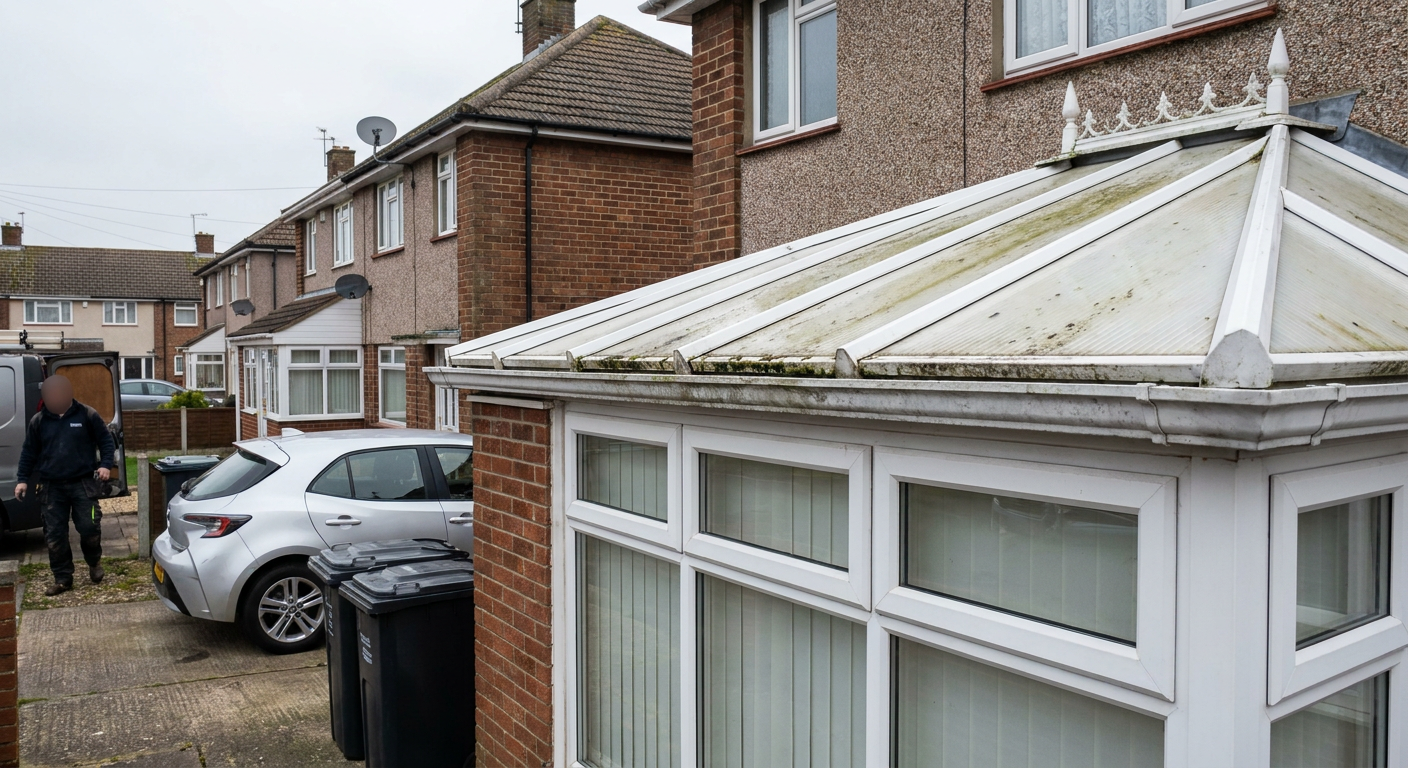
Dark spots on plaster
Stains spreading from the wall junction upward indicate prolonged dampness, possibly from slow leaks or constant condensation.
- 5
Wet patches after dry days
If water appears without recent rain, the moisture is almost certainly forming from indoor air cooling against the roof.
Questions about conservatory moisture
Common things homeowners ask when trying to work out what the water on their roof means and what to do next.
- Will a warm roof stop it?
- Yes. Insulation keeps the ceiling surface warm enough that airborne moisture no longer turns back into liquid on contact.
- Should I ventilate more?
- Better airflow reduces humidity but cannot overcome the extreme cold of uninsulated glass on winter nights.
- Could the seals have failed?
- Hardened gaskets let rain in. Misting trapped inside double glazing means the unit seal has broken down.
- Does it cause mould?
- Constant damp encourages black mould on frames, plaster and fabrics. Drying the air slows this process.
- What should I do first?
- Dry the panels at night, photograph where moisture returns and note whether drips follow specific bars.
- How is a leak identified?
- A surveyor checks drainage channels, tests seals and looks for thermal bridges that attract moisture indoors.
Ask about your conservatory roof
Send details of what you have noticed. A specialist firm will review the information and arrange a survey if the problem needs closer inspection. There is no obligation to proceed.
- No commitment required
- Local firms respond
- Surveys arranged directly