Summer heat advice
How to cool a conservatory that overheats in summer
Find out why your glass or polycarbonate roof traps heat, what the glare means for your daily use of the room, and where an insulated roof fits as the fix.

Why your conservatory overheats and how to stop it
Find out why glass and polycarbonate panels trap summer heat, why blinds rarely fix the problem, and how an insulated roof stops a conservatory overheating so you can use the room through a Reading summer.
Why the room is unusable by midday
If you are trying to work out how to cool a conservatory that feels like an oven by late morning, the problem usually starts above you. Glass and polycarbonate panels let sunlight through but trap the heat it creates inside. The air has nowhere to go, so the temperature climbs fast.
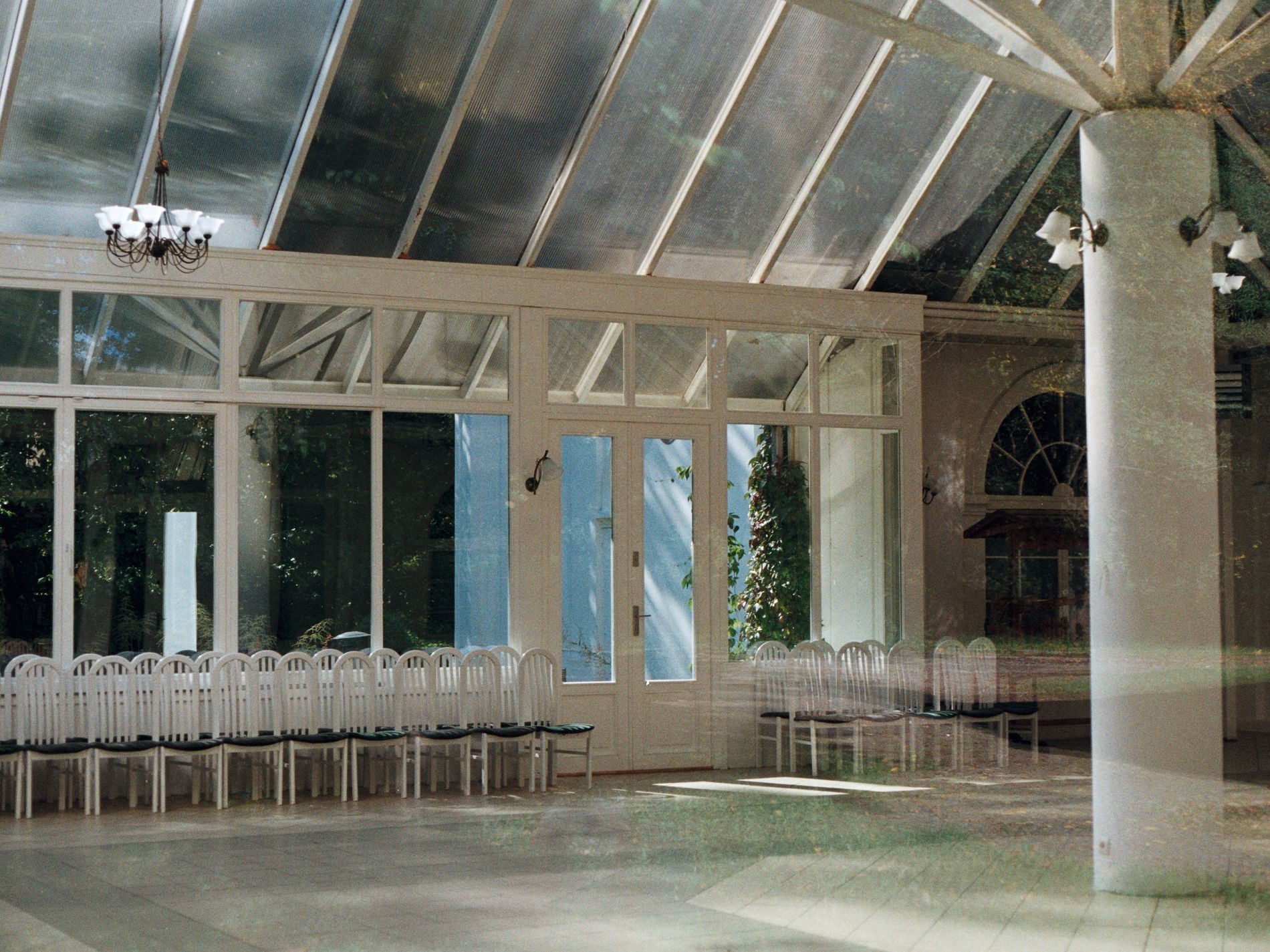
In Reading, south-facing gardens take the sun from early until late afternoon. A glass roof facing that direction absorbs energy all day. Even a north-facing room will overheat during a warm spell because the panels lack any insulation to slow the transfer. You notice the glare first. By eleven, the light bouncing off the floor makes screens unreadable and the space too bright to sit in comfortably.
Homeowners looking at conservatory shading options in Berkshire often start with blinds. Fabric blinds reduce glare but do little to lower the air temperature. The heat still enters through the roof; the blind just sits beneath it. So the room stays hot, and the fabric itself warms up and radiates that heat back down.
Polycarbonate panels and cloudy days
A polycarbonate roof too hot in Reading summers is a common complaint, but it also happens on overcast days. Polycarbonate is thin. It lacks the mass to resist temperature changes, so even diffuse light passes through and warms the air below. On a grey July morning, the difference between outside and inside can still be ten degrees or more.
Multi-wall polycarbonate was designed to be cheaper than glass, not cooler. The hollow channels inside each sheet provide some insulation against winter cold, but they do very little against direct solar gain. The plastic expands in heat, sometimes creaking as it moves in the frame.
People who want to stop conservatory overheating often try stick-on reflective films. These bounce some light away but darken the room permanently. They work best on south-facing glass. On polycarbonate, adhesion is poor, and the film can peel within a season. The underlying problem remains: the roof material lets energy in faster than the room can shed it.
Roof blinds or a new roof
Choosing between conservatory roof blinds or a new roof depends on what you need the room for. If you only want to cut the worst of the midday glare for an hour or two, pleated or pinoleum blinds help. They hang below the panels, softening the light before it hits the floor.
But if you want to keep the conservatory cool in summer and use it as a proper room, blinds reach their limit quickly. They do not insulate. The trapped layer of air between the blind and the glass heats up anyway, and that warmth sinks into the room. You end up paying for made-to-measure fittings that solve half the problem.
An insulated roof replaces the glazing entirely. Specialist fitters remove the old panels and install a solid structure with thermal layers built in. That barrier stops solar gain before it enters the room. The glare disappears because there is no glass left to transmit it. The space behaves like any other room in your home, staying close to the temperature you set.
Light levels under an insulated roof
Worrying about losing daylight is natural when you consider replacing clear panels with a solid structure. An insulated roof does change the light, but it does not make the room dark. Specialist firms fit plastered ceilings with integrated lighting, and many include glazed sections or rooflights where you want them.
For a dining space, diffused light is better than direct sun anyway. Plates and glasses do not catch harsh reflections, and nobody squints across the table. The specialist handles the ceiling plastering to give you a flat, painted finish that bounces available light around the room evenly.
You can read more about [lighting and electrics in a new conservatory ceiling](/insights/lighting-and-electrics-in-a-new-conservatory-ceiling) to see how spotlights and pendants fit into the new structure. The result is a room you can use for meals, work or reading at any hour without reaching for sunglasses.
What the work involves in Reading
When you decide to reduce conservatory glare and heat for good, the next step is understanding the job. A specialist firm surveys the existing frame first. Most aluminium or uPVC frames built in the last twenty years can support a lightweight tiled system, but the fitter checks the load-bearing capacity before anything is ordered.
The old glass or polycarbonate comes out, and the new insulated panels go in. Because the work happens above the existing walls, you can continue using the rest of your house while it takes place. Dust sheets protect the floor, and the specialists usually finish the structural swap within a few days. Plastering and decorating follow once the shell is weatherproof.
Whether your home is near the centre or in areas like Whitley or Earley, the process is the same. You can look at [conservatory roof replacement in Reading](/insulated-roof-work/conservatory-roof-replacement-reading) for a fuller picture of each stage. The key point is that the disruption stays contained to the conservatory itself.
Signs your conservatory roof is trapping too much heat
Heat builds up because the roof material lets solar energy in faster than the room can vent it. Watch for these signs around your home.
- 1
Furniture fading near the windows
Wood bleaches and fabric loses colour where direct sun falls. This shows UV and heat are passing straight through the roof panels.
- 2
Condensation drying by mid-morning
Moisture on the inside of the panels clears fast once the sun hits them. Rapid drying indicates the surface temperature is climbing steeply.

- 3
Blinds feel hot to the touch
Fabric or wooden slats hanging below the roof absorb radiant heat. Warm blinds mean the air gap above them is acting like an oven.
- 4
Floor tiles too warm to walk on
Stone or laminate directly under the glazing stores solar energy. If bare feet avoid the centre of the room, the heat load is high.

Questions about cooling a conservatory in Reading
Things homeowners in Reading ask before deciding how to handle summer heat in their conservatories.
- Is it the glass or the aspect?
- Both contribute. South-facing glass in Reading takes sun all day. An insulated roof blocks the heat regardless of which way the garden faces.
- Will blinds and a fan be enough?
- They manage symptoms. Blinds cut glare, fans move warm air. Neither stops heat entering through the panels, so the room still overheats.
- Why does polycarbonate heat up fast?
- It is thin and lacks thermal mass. Even on cloudy days, diffuse light passes through the hollow chambers and warms the air below.
- Will it stay bright enough to eat in?
- Yes. Specialists fit rooflights and integrated lighting into the new ceiling. The light becomes even rather than harsh, suited to dining.
- How long does the work take?
- Specialist fitters usually complete the structural swap in a few days. You can keep using the rest of your home throughout.
- What does it cost compared to blinds?
- Made-to-measure blinds cost less upfront but only address glare. An insulated roof costs more but solves both heat and light permanently.
Ask a specialist to look at your conservatory
Send your details and a specialist firm will arrange a survey of your roof. There is no obligation to proceed with any work they quote for.
- No obligation to buy
- Survey arranged locally
- Your details stay private