Guide
What is a warm roof and how does it differ from glass?
A warm roof replaces glass or polycarbonate panels with insulated, solid layers. Find out what sits inside one, how the temperature changes, and why homes in Reading are moving away from transparent conservatory ceilings.
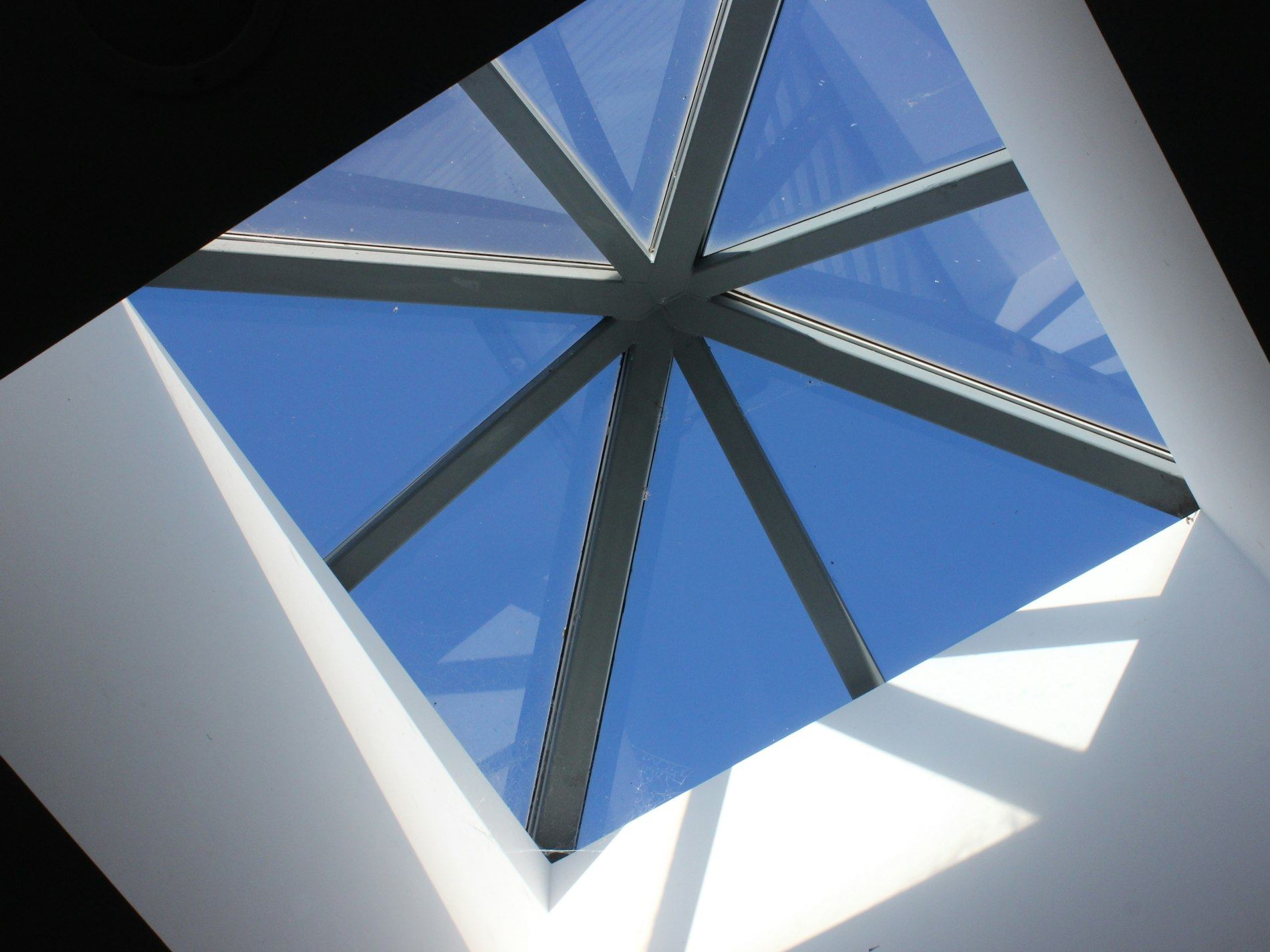
What sits inside a warm roof
A warm roof is a solid structure built over the existing frame of a conservatory. Where glass lets light pass straight through, a warm roof uses layers of rigid insulation board topped with a waterproof membrane and tiles. The insulation sits above the structural timbers, which keeps the timber itself at room temperature rather than exposing it to the cold outside air.
This arrangement stops heat escaping in winter and blocks solar gain in summer. Glass and polycarbonate panels do neither well. They let warmth pour out as soon as the heating goes off, and they turn the space below into something closer to a greenhouse when the sun hits them directly.
The specialist firms handling this work in Reading strip the old glazing bars and panels away before fitting the new insulated structure. The original base and walls usually stay exactly where they are. Because the new materials weigh more than glass, the fitter checks that the existing frame can carry the load before anything is removed.
How the room feels once the glass is gone
The most immediate change is the temperature. A conservatory under glass follows the weather outside. It bakes in July and freezes by November. A warm roof breaks that link. The insulation holds the heat your radiators produce, so the room stays close to the rest of the house.
Noise changes too. Rain on polycarbonate sounds like stones thrown at a drum. Rain on a tiled warm roof is barely audible. The solid layers absorb the impact rather than transmitting it down into the room.
Light does reduce. Glass lets the sky in from every angle, while a solid roof only allows light through whatever windows remain in the walls or any roof lights the fitter includes. Most people find the trade acceptable because the room becomes usable for reading, working or sitting without squinting against glare. Ceiling plastering finishes the underside, giving you a flat, painted surface that matches the rest of your home rather than looking up at plastic ribs.
Why homes in Reading are making the switch
Conservatories built in the 1990s and early 2000s almost always used twin-wall polycarbonate or basic double-glazed units. Neither was designed to meet modern expectations for energy use. As heating costs have risen, those thin roofs have become the weakest point in the building envelope.
Replacing the roof rather than rebuilding the whole structure keeps the cost lower and avoids the disruption of removing foundations. Building regulations apply to the new roof, and the specialist doing the work handles the paperwork. In Reading, older housing stock means many conservatories were added decades ago with minimal insulation standards.
A warm roof conversion also changes how you use the space. Rooms that sat empty from October to March start functioning as dining areas, playrooms or offices all year. The shift is practical rather than cosmetic. You stop paying to heat a room that loses its warmth through the ceiling within minutes of the boiler switching off.
Tiles, weight and matching the house
The outer layer of a warm roof is typically a lightweight tile made from steel, composite resin or synthetic slate. These materials look like traditional clay or concrete tiles but weigh a fraction as much. That matters because the original aluminium or uPVC frame was never engineered to support heavy masonry.
Colour choices let you match the main roof of your house. A conservatory that previously stood out as a bright glass box blends in once the tiles echo the existing property. Fitters in Reading carry samples so you can compare shades against your brickwork before committing.
Underneath the tiles, a breathable membrane prevents moisture from getting trapped in the insulation. Condensation is a common problem with old polycarbonate roofs, where warm indoor air meets the cold panel and turns to water. The layered construction of a warm roof keeps the inner surfaces above the dew point, so dripping stops.
Ask about a warm roof for your home
Send a few details about your conservatory and a specialist firm will reply with advice on whether a warm roof suits the existing frame. There is no obligation to book any work.
- No commitment required
- Local specialists respond
- Free initial advice