Insights
Ventilation in a conservatory with a solid warm roof
A solid warm roof stops heat escaping through the top of your conservatory, but the room still needs fresh air. Find out why trickle vents, opening windows and basic air movement matter once the glass or polycarbonate is gone.
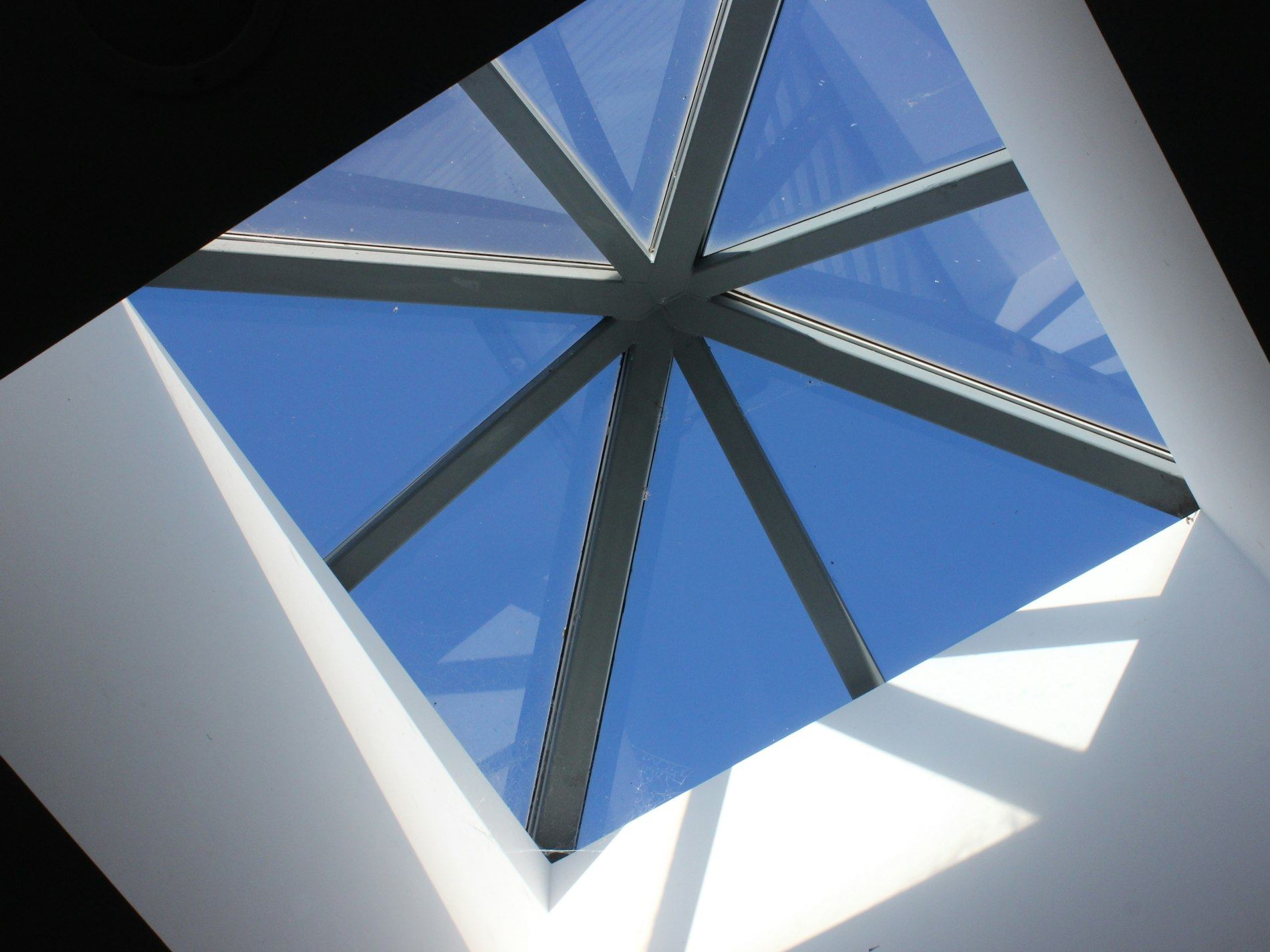
Why ventilation still matters under a solid roof
Replacing a glass or polycarbonate conservatory roof with a solid tiled one changes how the room holds heat. The insulation keeps warmth inside during winter and blocks solar gain in summer. But a sealed room is not automatically a comfortable one.
People breathe out moisture. Kettles boil. Damp coats hang over chairs. All of this adds water vapour to the air. In a glass conservatory, some of that moisture escaped through poorly sealed panels or condensed harmlessly on cold surfaces you wiped down each morning. A warm roof removes those cold surfaces, so the moisture has nowhere obvious to go.
Without planned ventilation, humid air sits in the room. It settles on the coldest remaining spots: the window frames, the external door glass, the corners where the walls meet the floor. Over weeks, that damp encourages mould. So even though the specialist fitting your new roof will insulate it thoroughly, they also need to account for the air moving in and out of the space.
Trickle vents built into the window frames
Trickle vents are small slots cut into the top of a window frame. They let a thin stream of outside air enter the room without you needing to open the window itself. Most modern uPVC and aluminium frames have them fitted as standard because building regulations expect background ventilation in every habitable room.
When a conservatory gains a solid roof, it behaves more like an extension than a temporary sun trap. The specialist carrying out the conversion will check whether the existing window frames have working trickle vents. If the frames are older, they might recommend replacing them alongside the roof work, since new windows can take vent inserts that the old ones cannot.
These vents do not create a draught you feel on your neck. They provide just enough constant airflow to dilute the moisture produced by daily life. Leave them open all year. Closing them in winter defeats their purpose and traps the very humidity the warm roof was designed to manage.
Opening windows and doors for cross ventilation
Background vents handle steady moisture, but sometimes a room needs a faster change of air. Opening windows on opposite sides of the conservatory creates a path for wind to push stale air out and draw fresh air in. This cross ventilation clears cooking smells, excess heat on a warm afternoon, or the stuffiness that builds when several people sit in a small room. The warm air near the ceiling escapes first, pulling cooler air through the doorway. Cracking two windows slightly, rather than throwing one wide open, keeps the airflow gentle enough to avoid slamming doors or scattering papers. How you use the room determines how much ventilation it needs. A dining space or a home office generates more moisture and body heat than a room that sits empty most of the day. The more time you spend in there, the more often you will need to open something up for a few minutes.
Air movement and avoiding dead spots
Furniture placement affects how air travels around a conservatory. Pushing a tall bookcase or a sofa directly against an external wall blocks the natural circulation that trickle vents rely on. Air needs a clear path from the vent down across the glass and back toward the centre of the room.
Ceiling fans help here. Once the specialist plasters the new ceiling beneath the warm roof, they can wire in a fan that moves air without cooling it. In winter, running a fan slowly on reverse pushes the warm air that gathers at the ceiling back down to seating height. In summer, a forward spin creates a breeze that makes the room feel cooler without opening anything.
Dead spots are the corners where air simply stops. You notice them because they smell musty first, or because condensation forms on the skirting board. Keeping furniture slightly away from the walls and leaving internal doors ajar prevents these pockets from forming.
How a warm roof changes the ventilation plan
Before the conversion, your conservatory likely lost heat rapidly through the roof panels. That constant loss meant the air changed temperature quickly, which moved moisture around. A warm roof stops that rapid exchange. The room stays at a steadier temperature, which is exactly what you want for comfort, but it means the air becomes lazy.
The specialist handling the roof replacement will factor this in. They assess the volume of the room, the number of external walls, and the type of glazing left in place. From that, they determine how much background ventilation the space requires to stay dry.
This assessment is part of the reason a solid roof conversion involves more than just swapping tiles for glass. The plastered ceiling, the insulation depth, and the vent positions all work together. If you are considering the change, find out what a warm roof actually involves before deciding on the finish.
Ask about ventilating your conservatory roof
Send details about your conservatory and the problems you have noticed. A specialist firm will read them and reply with advice on what the issue might mean. There is no obligation to book any work.
- No commitment required
- Read by a specialist firm
- Honest initial advice